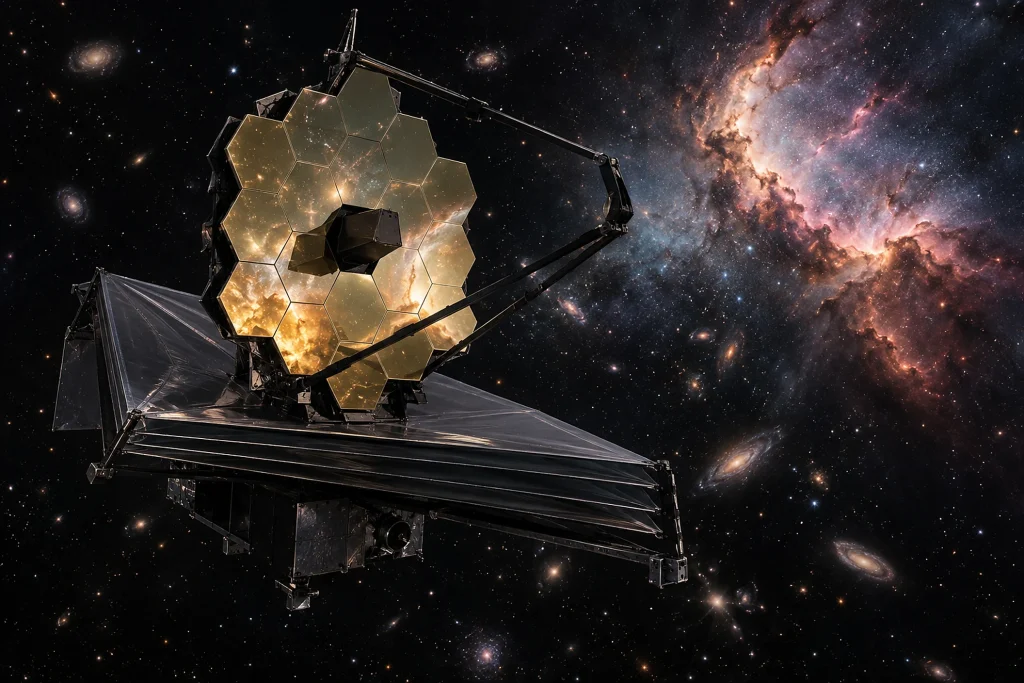
NASA selected PRIMA as the first telescope in the Probe Explorers class. The telescope will study the formation of exoplanets, stellar and galaxy evolution, the growth of black holes, and the origin of water on Earth. PRIMA will have an approximately 1.8-meter mirror and operate at very low temperatures. The telescope is planned for launch in 2033 and is expected to operate for five years, with its cost capped at $1.2 billion excluding launch.
Why it matters
PRIMA’s importance lies in turning a single observatory into a shared instrument for different research topics ranging from exoplanets to galaxy evolution, black holes, and the origin of water on Earth. This scope brings to the forefront the question of how data obtained from the same mission will be assessed by scientific fields that otherwise operate separately. The fact that launch costs are not included in the budget cap shows that the announced $1.2 billion ceiling does not cover all of the project’s expenses. In addition, the fact that the 2033 target is contingent on approvals means that this date reflects current planning rather than a finalized outcome. The key unresolved issue is how observation priorities will be determined among the broad scientific goals.
Background
NASA is not a new name in the FikirPilot archive: we have published 31 news reports mentioning the name in the last 90 days; the latest is dated September 15, 2026.