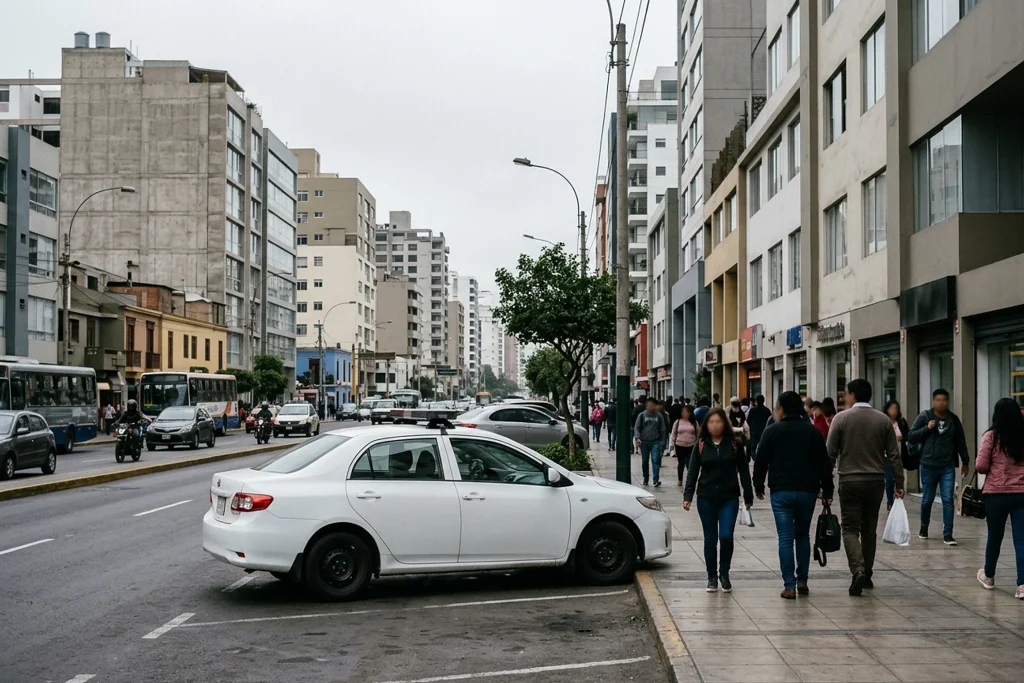
In Peru, the new security doctrine and police reform, together with the Keiko Fujimori government’s military-backed new security architecture, have split society in two. Reactions are sharply polarized.
Overwhelmed by the wave of organized crime and the extortion of shopkeepers, a large segment of the public supports the extraordinary powers granted to the police and the military. Armed robberies and murders on public transportation are also part of this picture. The state has asserted its authority. The entry of armored vehicles into neighborhoods and the raids against gangs are being welcomed by the public as a sign that the state has finally asserted its authority.
In contrast, middle-class intellectuals and university youth view the model with suspicion. Civil society organizations and human rights advocates are displaying the same attitude. This segment remembers the past. Recalling the traumas of the “Father Fujimori” era, this segment sees the intertwining of the police and the military and the narrowing of rights as a harbinger of authoritarianism, arguing that security cannot be achieved by sacrificing freedom.
The country is divided into two camps. As this split between security-minded pragmatists and rights-and-freedoms advocates continues, the Fujimori administration’s real test will be whether it can transform the current support into a lasting social consensus.
Why it matters
The picture in Peru shows that public support for a tougher line against organized crime is broad but fragile. While the segments that are direct victims of extortion and armed attacks see the extraordinary powers as a relief, the prospect of these powers becoming permanent is a core source of concern for the middle class, university youth, and rights advocates. Behind this divide lies the memory of the “Father Fujimori” era; the generations that carry the trauma of the past and the generations for whom security concerns weigh heavier are looking at the same reality from different vantage points. That is why this debate is not really a matter of policing policy, but a reckoning over the boundaries of democracy. The open question is whether the expanded powers will be rolled back once the crime wave recedes, and how civilian oversight will be preserved.
Background
Peru is not a new name in the FikirPilot archive: we published a story mentioning this name in the last 90 days; that article is dated October 10, 2026.