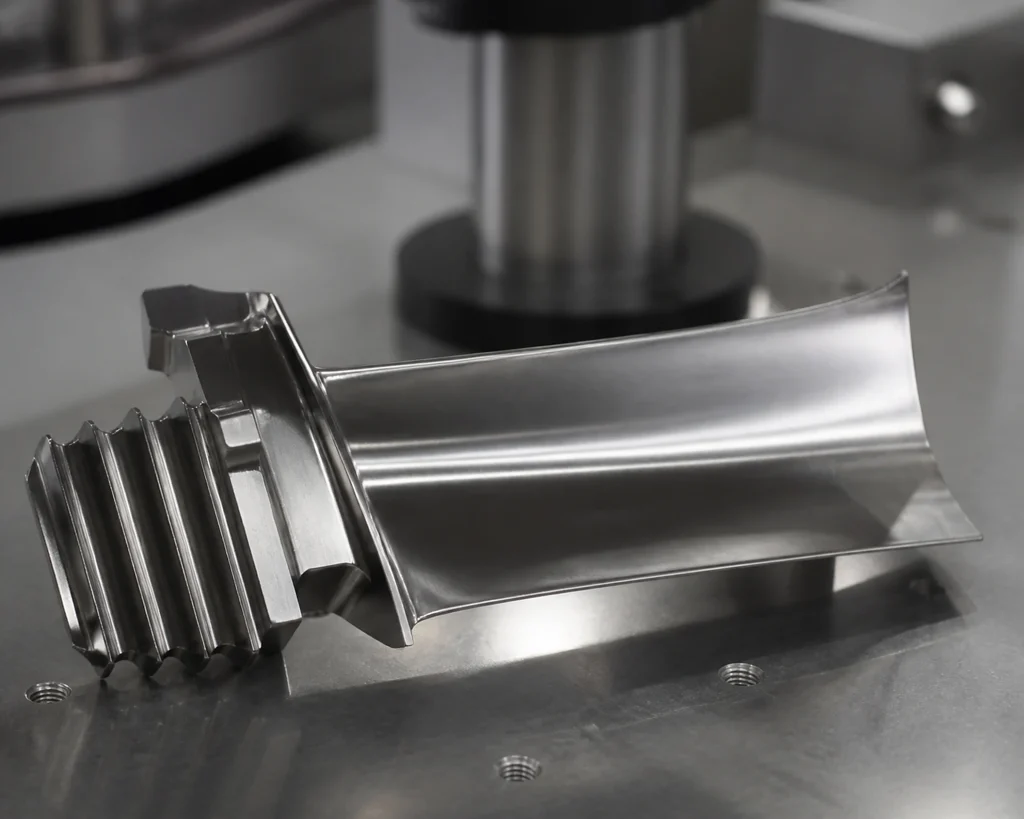
Elon Musk said SpaceX could cast the blades and vanes used in natural gas turbines at its own facilities to overcome the energy bottleneck in AI infrastructure. Musk stated that SpaceX and Tesla are building 100GW of solar power generation capacity per year, but that natural gas will be needed for several more years to support solar power. In his view, in-house production could accelerate the deployment of natural gas turbines by up to 18 months.
In addition to the shortage of graphics processors, the power grid is also creating a significant constraint for the AI sector. The International Energy Agency projects that data centers’ global electricity consumption will approximately double by 2030. GE Vernova, meanwhile, reports that its production capacity is largely booked through 2030 due to demand for AI infrastructure. Companies such as Amazon, Google, Meta, OpenAI and Microsoft are therefore turning to building dedicated natural gas plants next to their data centers.
The production of turbine blades requires components capable of withstanding temperatures of approximately 3,000 to 3,600 degrees Fahrenheit. In addition to internal cooling channels and thermal barrier coatings, the blades are cast in a vacuum furnace as a single, uninterrupted crystal. It is reported that only four companies can apply this method on an industrial scale, and that these companies’ capacity is fully booked.
SpaceX’s success could give an organization controlled by Musk the manufacturing capability on which its competitors depend. However, more turbines could also intensify pollution debates. In Memphis, where SpaceXAI has operated its Colossus data centers since 2024, the NAACP argues that the turbines are being operated without the required permits and pollution controls. The turbines are reported to emit smog-forming compounds and substances such as formaldehyde, which have been linked to asthma, respiratory diseases and some cancers.
A study conducted for Virginia’s “Data Center Alley” calculated that eight turbines at a single facility could affect 2.5 million people, causing 3.4 to 6.5 premature deaths per year and $53 million to $99 million in health-related damages.
Why it matters
This development shows that the growth of AI data centers depends not only on graphics processors and the electricity grid, but also on the manufacturing capacity for natural gas turbine components. The fact that the number of companies capable of producing turbine blades is limited to four, with existing capacities fully booked, could put an organization controlled by Musk in a different position regarding its competitors’ supply dependence if SpaceX enters this field. However, this solution to the energy infrastructure issue is reviving objections, particularly in Memphis, concerning permits and pollution controls. The study in Virginia, meanwhile, is turning the debate from merely an issue of energy supply into a public policy problem involving the health risks and economic damages faced by people living in areas where the turbines are located.