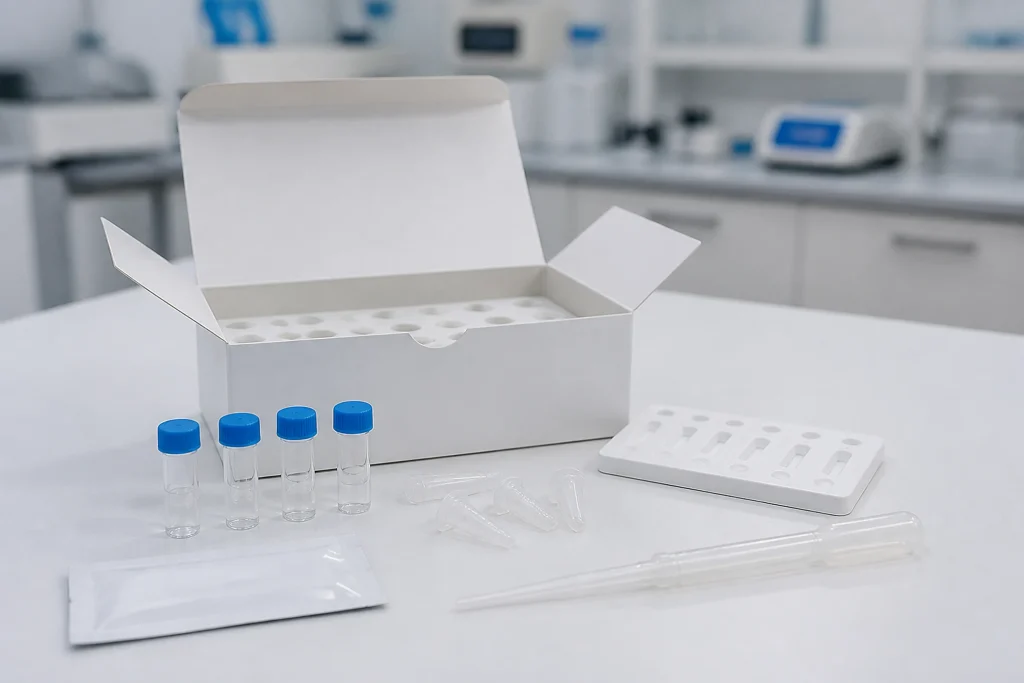
A study conducted by the University of Birmingham and diagnostic company Nonacus found that the at-home GALEAS Bladder urine test detected bladder cancer with 92.2% accuracy. Administered to 964 patients across 7 NHS urology departments in BK, the test examines genomic material, screening for more than 450 DNA mutations associated with 23 genes, and detected 71 of the 77 cancer cases among approximately thousand patients. The findings were published in European Urology Oncology.
Approximately 10 thousand 900 new cases of bladder cancer are diagnosed in BK each year. Most patients undergo cystoscopy, in which a camera is advanced through the urethra into the bladder; more than 300 thousand procedures are performed annually. Although the test does not replace cystoscopy, it could help identify high-risk patients and enable others to safely wait for the procedure. According to the study, its use in triage could result in 730 fewer urgent cystoscopies per thousand patients. GALEAS Bladder is being used in NHS pathways in England and Wales.
Why it matters
This finding provides the basis for an approach in which patients can be stratified according to their level of risk, rather than everyone presenting with suspected bladder cancer being referred for an invasive procedure with the same urgency. In NHS services, where more than 300 thousand cystoscopies are performed each year, such triage could ensure that resources are used by prioritizing patients with a high likelihood of cancer. Allowing patients considered low risk to safely wait for the procedure has the potential to reduce both pressure on healthcare services and unnecessary urgent referrals. However, the fact that the test does not replace cystoscopy shows that the result is not, on its own, a definitive diagnostic tool, but rather a preliminary assessment that guides clinical decisions. The open question is whether this approach can be implemented with the same reliability across different NHS units and in broader patient groups.