In 2007, as the US stood on the brink of an economic recession, Buddy Rizer sought new sources of revenue for Loudoun County, Virginia. Rizer, a former radio DJ, aimed to increase the commercial tax share from about 19% to 23% at a time when more than 80% of the county’s revenue came from residential real estate. Today, slightly more than half of its tax revenue comes from commercial sources.
In 2000, Loudoun was home to the headquarters of AOL, the largest internet service provider in the US. Thanks to its proximity to the capital, access to water and electricity, and an internet exchange point, up to 70% of global internet traffic passed through the county. However, the collapse of dot-com stocks and AOL’s failed merger with Time Warner left behind vacant buildings and unused fiber-optic cables. Rizer developed a plan to use this infrastructure to attract data centers.
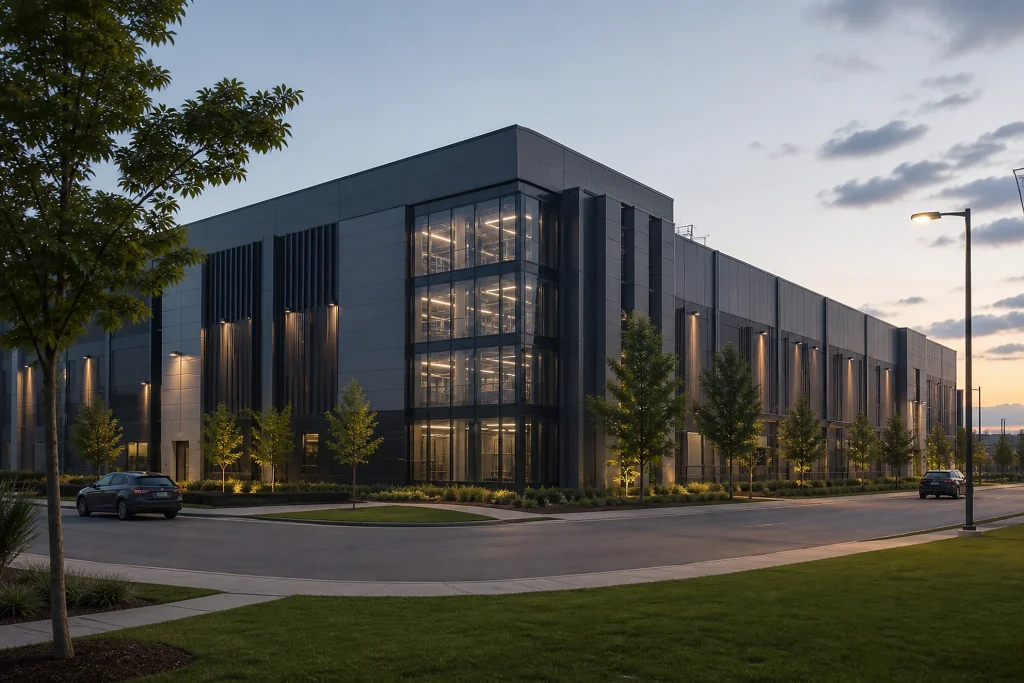
Today, about 250 data centers occupy a small portion of the roughly 515-square-mile county; known as “Data Center Alley,” the area has become the world’s densest concentration of data centers. Investments accelerated by the growth of cloud technologies have enabled the construction of 22 new schools over the past 15 years. Tax revenue from data centers exceeded the county’s operating budget by $35 million in 2024, while the residential property tax rate has fallen from about $1.29 in 2008 to 80 cents per $100 of assessed value. The proliferation of generative AI has further increased demand for infrastructure.
Why it matters
The Loudoun County example shows that communications infrastructure left idle during a period of economic contraction can be transformed into a new tax base for local government. This change represents a shift from a budget dependent on the housing market to one in which commercial activity plays a more decisive role; its impact extends beyond corporate investments, also affecting households through school construction and residential property tax rates. The concentration of data centers in a specific area ensures that infrastructure and public revenues are brought together in the same region, while also tying the county’s economic balance to this sector. In the face of rising demand driven by generative AI, the open question is how this model will meet growing infrastructure needs and within what limits local fiscal gains can be sustained.
Term: data center
A data center is a facility where servers are housed alongside cooling systems and an uninterrupted power supply; discussions over the electricity and water consumption of AI investments center on these facilities.