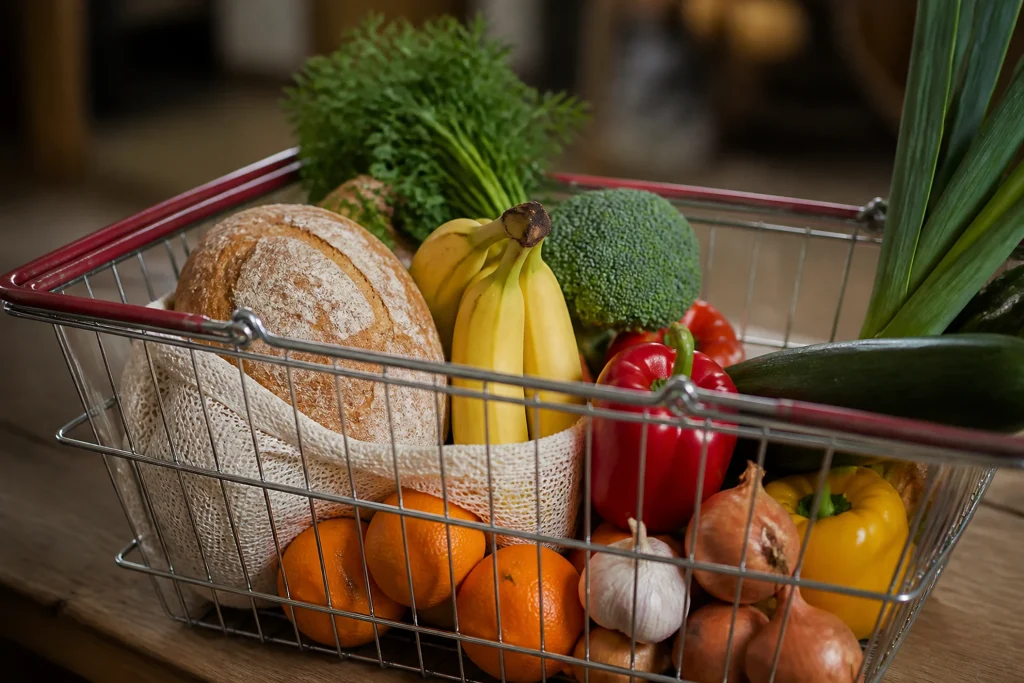
Anahtar Parti Chairman Yavuz Ağıralioğlu assessed the August inflation data in a social media post. Stating that annual inflation stood at 31.51%, Ağıralioğlu reported that food inflation was 33.79%, transport inflation was 35.08%, and the increase in the housing, electricity, gas and fuel group stood at 39.77%. Ağıralioğlu argued that the decline in core goods inflation to 15.9% did not reflect the high prices experienced by citizens, stating that a food basket purchased for a thousand liras last year now costs approximately 338 liras above a thousand liras. He said that a decline in inflation meant not that prices were falling, but that the pace of increases was slowing. Recalling that annual inflation in the euro area was 3.3%, Ağıralioğlu said the difference was being paid by pensioners, minimum-wage earners, tradespeople and families. Addressing Minister of Treasury and Finance Mehmet Şimşek, Ağıralioğlu asked why the cost of living had not declined after 25 years. He stressed that the economy was not merely a set of figures in a table and that markets, bazaars and citizens’ wallets should be examined instead of relying on indicators.
Why it matters
The difference between the figures shows that the headline inflation rate alone does not reflect the pressure on households’ essential spending. The higher increases in food, transport and housing-related expenses directly affect the budgets of pensioners, minimum-wage earners, tradespeople and families living on fixed incomes in particular. The assessment that the decline in the core goods group has not been felt to the same extent in daily shopping brings into focus the distinction between a slowdown in the pace of inflation and genuine relief in price levels. The question that therefore remains is to what extent the improvement in official indicators is reflected in grocery, market and housing expenses, and how political responsibility for the cost of living will be explained.
Term: inflation
Inflation is the sustained increase in the general level of prices and the decline in the purchasing power of money.