Flawed originality in art and artificial intelligence invites us to rethink how the tools invented throughout human history have transformed the world and the way we look at it. Every tool gave rise to a new question. The printing press multiplied the word; the photographic camera detached the image from time and preserved it. The video camera endowed motion with memory, while computers opened new doors to the imagination. Each new tool left the same question behind: Does something becoming possible also change its meaning?
Today, art with artificial intelligence is entering a new era. The transformation is accelerating. Striking images can be generated within seconds from just a few words, and this development is changing not only the mode of production but also how originality and labor are valued.
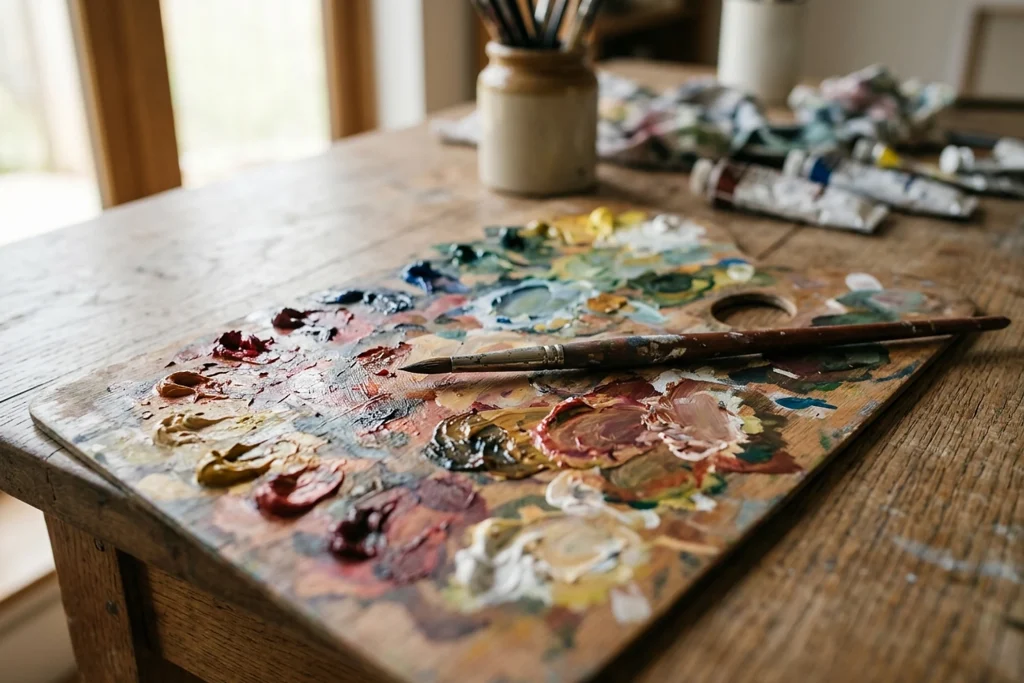
In this transformation, the concept of “flawed originality” comes to the fore. The author does not regard the gaps left on the canvas as a deficiency, accepting the areas untouched by paint as part of the expression as well. Flaws lend character to a work. A trembling line or an unfinished form gives the work a personal character. When viewers bring their own lived experiences into the work, meaning is rebuilt between the artist’s hand and the viewer’s gaze, and the gap turns into a space for producing shared meaning. Originality is less about producing the unseen than about being able to decide what is worth preserving. While shaping the work, the artist also transforms their own experience, because behind every line lie trials, abandonments, and the accumulation of years. The ability of artificial intelligence to produce images within seconds carries the risk that the value of this accumulation will be overlooked.
Why it matters
This debate lifts the tension that artificial intelligence has created in art out of a technical matter and carries it into a question of value: Is a work made valuable by the result, or by the accumulation behind it? The question concerns not only artists but also the designers and illustrators who earn their living from visual production, as well as everyone who buys, exhibits, and prices these productions. By suggesting that, in the face of impressive machine outputs, the distinguishing criterion of human labor may be flaw and accumulated experience, the concept of flawed originality brings back to the agenda how originality is to be evaluated. By contrast, it remains uncertain to what extent the viewer and the buyer will care about this distinction — in other words, whether speed or the trace will be valued. The answer will determine how labor in art will be defined and rewarded from now on.