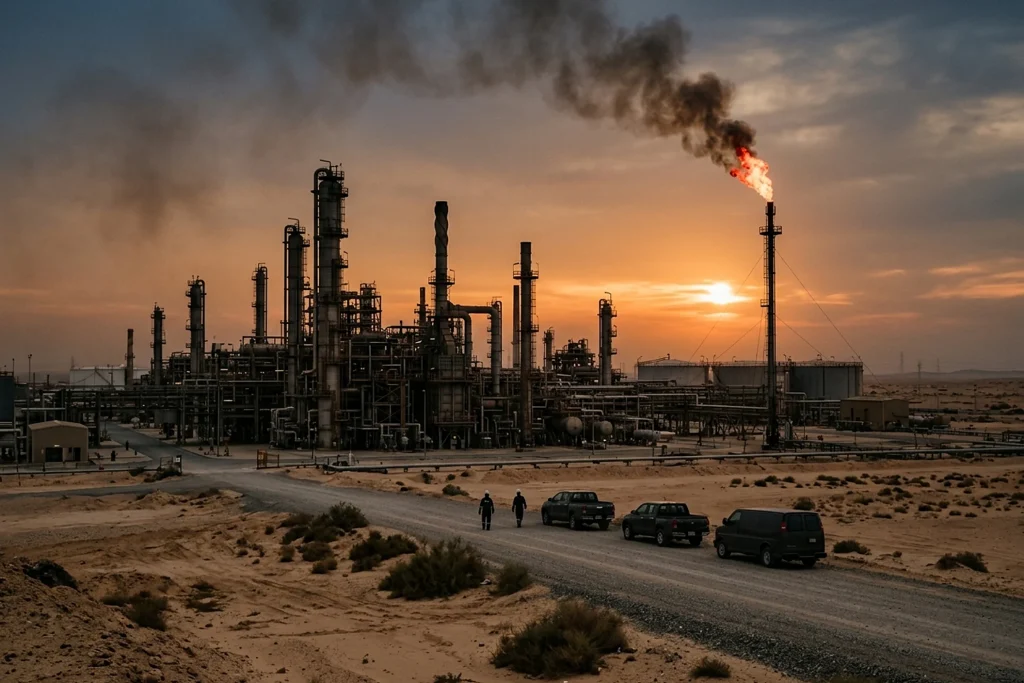
Iran is increasing pressure on the US through the Houthis. The target of the pressure is Riyadh. According to sources speaking to Reuters, Iran is strengthening pressure on the US by escalating Houthi attacks on Saudi Arabia, aiming with these attacks to disrupt Riyadh’s economic infrastructure and international investment goals. Michael Knights of Horizon Engage says Tehran is turning to Riyadh because it cannot directly pressure Washington.
These are the Houthis’ demands. These demands range from Saudi Arabia ending its military operations in Yemen to the payment of public employees’ salaries, from war reparations to cutting support for the internationally recognized Yemeni government. – Saudi Arabia ending its military operations in Yemen – Payment of public employees’ salaries – War reparations – Cutting support for the internationally recognized Yemeni government
Riyadh is turning to the military option. Gulf Research Center Chairman Abdulaziz Sager says Riyadh now sees military pressure as the only option, while Yemen expert Farea el-Muslimi warns that the conflict could spread across the entire Gulf. He emphasizes this as “a Gulf war.”
Yemeni government forces launched a counterattack. According to the Arab Coalition, at least 17 people were killed and 333 people were injured in 20 attacks carried out on King Khalid Airport on October 7-11. The counterattack began around the Bab el-Mandeb.
Why it matters
This development shows that the cost of the tension between Tehran and Washington is being exacted from the Gulf rather than directly from the parties involved. The fact that the attacks target economic infrastructure and international investment plans carries the conflict beyond the war in Yemen, taking aim at the global reputation of the Saudi economy. While the Houthis’ list of demands shows that a possible negotiation would cost Riyadh heavy concessions, the military option coming to the fore indicates that diplomatic channels have been exhausted and that the conflict could spread across the Gulf. The concentration of the counterattack around the Bab el-Mandeb, meanwhile, turns one of the key chokepoints of international maritime trade into a de facto conflict zone. The open question that remains is whether Washington will respond directly on the ground to this pressure mounting through proxy forces, or leave the burden on Riyadh’s shoulders.
Background
The US is not a new name in the FikirPilot archive: we have published 51 stories mentioning this name in the last 90 days; the most recent is dated October 14, 2026.