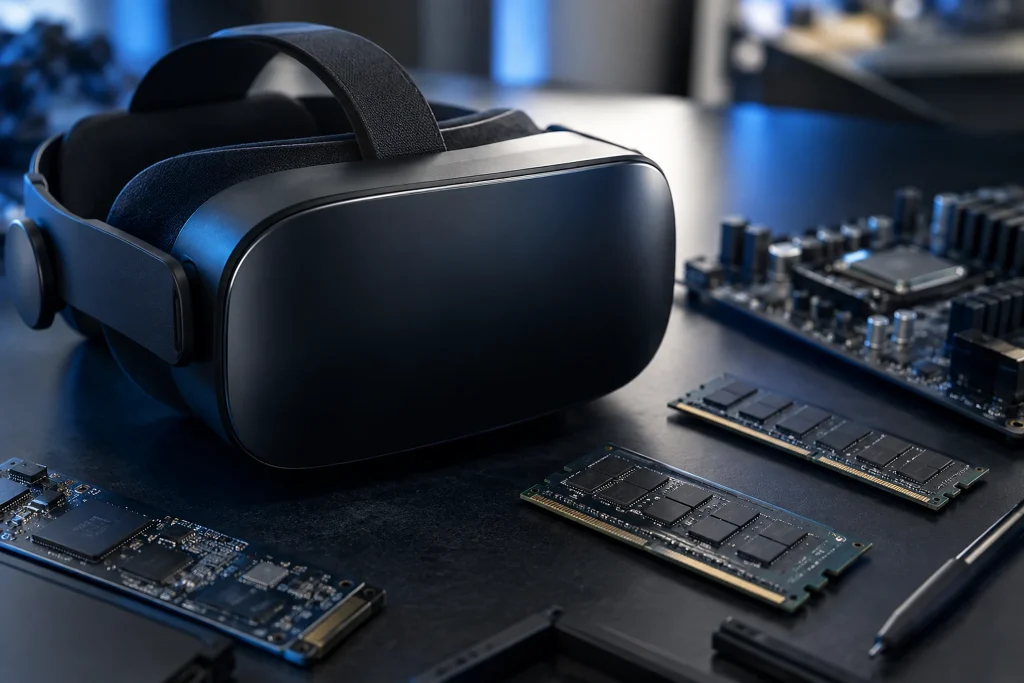
Valve’s wireless virtual reality headset Steam Frame went on sale for $1,059, more expensive than intended due to rising global RAM and storage costs. Jeremy Selan said a more accessible price had been planned and that the company had worked hard even to reach the current level. The company had aimed to keep it below the Valve Index, whose price rose to $999 in 2019. Valve did not disclose whether it was selling the product at cost; however, Pierre-Loup Griffais said the price was not significantly removed from component costs. Griffais said development had progressed too far to switch to less RAM. Valve had previously confirmed that it had priced the $1,049 Steam Machine at cost.
Why it matters
The price of Steam Frame shows that access to virtual reality hardware is determined not only by the product’s technical specifications but also by cost pressures in component supply. While this explains why expectations could not be met for users who were expecting a lower price, it also makes it more difficult for Valve to maintain the pricing balance it established with its previous hardware products. The company’s limited disclosure regarding its cost structure leaves open the question of how much revenue it earns from the product’s sales. The inability to implement the change toward using less RAM during development also suggests that hardware revisions made later in response to similar cost pressures may not be easy. Thus, the issue is not merely the price of a single headset, but a choice between hardware design and accessibility.
Background
Steam is not a new name in the FikirPilot archive: we have published 12 articles mentioning this name in the past 90 days; the most recent was dated September 14, 2026.