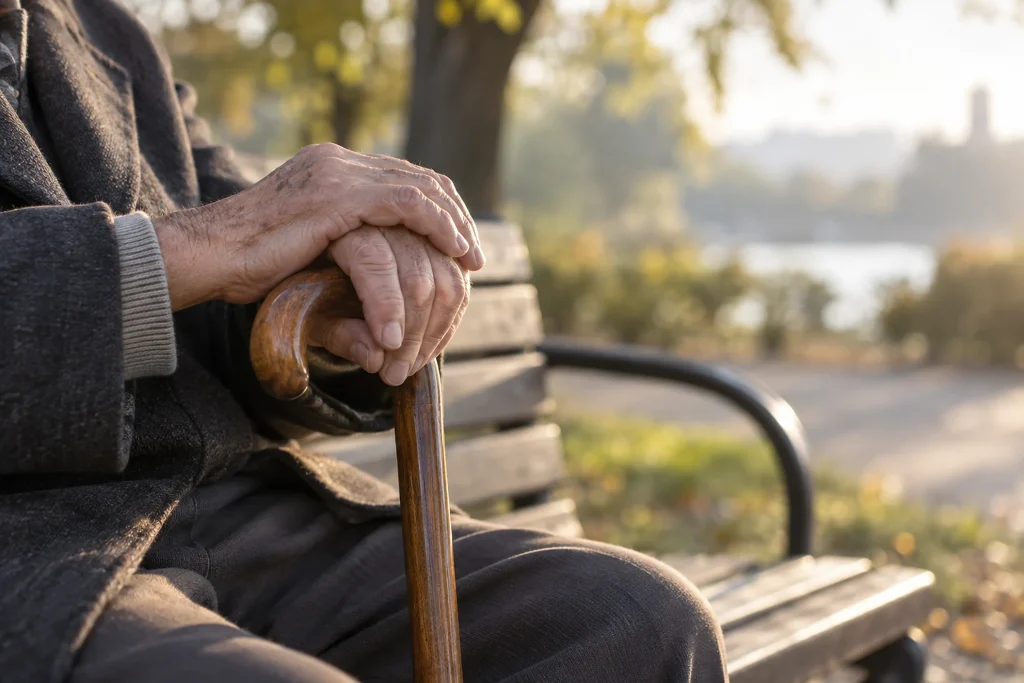
A new study published in the peer-reviewed BMC Medicine found that difficulty walking among older adults could be a practical indicator for determining the risk of death and the need for healthcare services. The researchers drew on data from the world’s 6 largest studies on ageing, covering older adults in China, England, the United States, South Korea, Mexico and continental Europe, as well as comparable surveys involving hundreds of thousands of people. Those who reported difficulty walking had an almost two times higher risk of death during the follow-up period than those who could walk comfortably. This difficulty was associated with disease burden, falls, depressive symptoms, disability, hospitalisation and loss of independence in daily activities such as dressing and bathing; they were also three times more likely to experience other health problems. The researchers stated that this question, which requires no equipment, could help assess equity in healthcare services by identifying groups with high needs. However, the study does not show a direct effect caused by difficulty walking.
Why it matters
These findings suggest that when assessing older adults’ health needs, not only existing illnesses but also everyday mobility could be taken into account. This type of assessment, which requires no equipment, could offer a feasible starting point for studies examining which groups healthcare services reach and to what extent. However, because it remains unclear how the relationship between difficulty walking and poor health outcomes develops, this finding alone does not prove the effect of a treatment or preventive intervention. For healthcare professionals and policymakers, the open question is how reliably this indicator can be used to compare needs in different countries and to plan services.