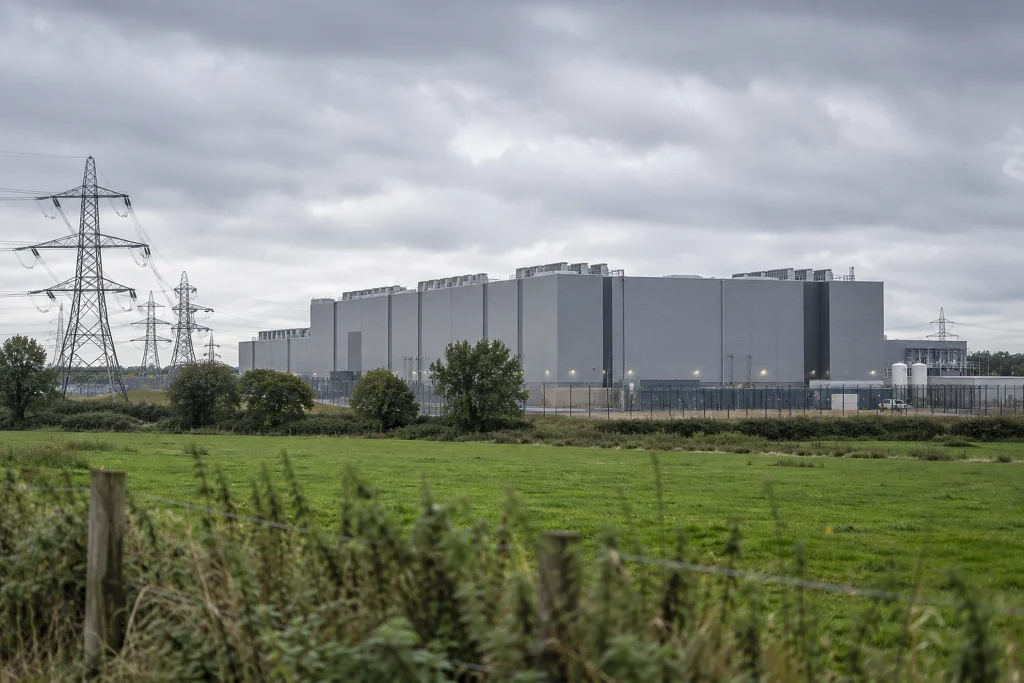
At a time when artificial intelligence companies are planning trillion-dollar data center investments to expand their computing capacity, public support is waning. According to polls, more than 60% of Americans want new data centers to be restricted, particularly in their own areas. According to Data Center Watch, data center projects worth a total of $68 billion were stalled by local opposition in the second quarter of 2026.
The 18-month study by the nonprofit Data & Society is based on interviews with 44 people in Pennsylvania conducted between 2024 and 2026. Rather than measuring the concrete impacts of data centers, the study examines how people experience the debate surrounding the projects. According to the researchers, the industry’s narrative that artificial intelligence is “inevitable” is met with skepticism because of the industrial trauma caused by the state’s history of coal mining, oil, steel production and fracking.
Pennsylvania Governor Josh Shapiro attended a summit in July 2025 that praised $90 billion in investments in data centers and artificial intelligence infrastructure. A year later, he signed an order imposing new requirements on data center projects and removing them from an expedited regulatory initiative.
Unions stand out as the main source of support for the projects because of their employment potential. However, the researchers say data centers will not be major employment hubs once they become operational. The industry’s promotional efforts include setting up websites such as the Data Center Coalition’s “Pennsylvania Connects” and carrying out at least $19,000 in lobbying in the state government last year.
The opposition is not limited to political camps and has a structure that brings together different groups:
- Local residents opposed to the development
- Those opposed to artificial intelligence and corporate interests
- Environmental groups concerned about water use and energy-related emissions
- Those concerned about public health
- Those afraid that electricity bills and property values will be affected
- Those reacting to developers’ requests for confidentiality agreements from local officials
According to the researchers, a lack of trust lies at the common ground of these different concerns; for this reason, it appears difficult for the industry to offer a single solution that addresses all the objections.
Why it matters
This picture shows that data center investments are not merely a planning issue between technology companies and public administrations, but are shaped by the economic and environmental concerns of local communities. Pennsylvania’s past industrial experiences explain why promises of growth and employment related to artificial intelligence infrastructure are not automatically accepted. The fact that objections to the projects bring together different political and social groups makes it more difficult for decision-makers to conduct negotiations with a single counterpart. The change in approach at the governor’s level reveals tensions between investment targets and demands for local regulation. The key question that remains is which concrete assurances could address concerns about employment, energy, water use, bills, and transparency.
Term: data center
A data center is a facility where servers are housed along with cooling systems and uninterrupted power; debates over the electricity and water consumption of artificial intelligence investments are conducted through these facilities.