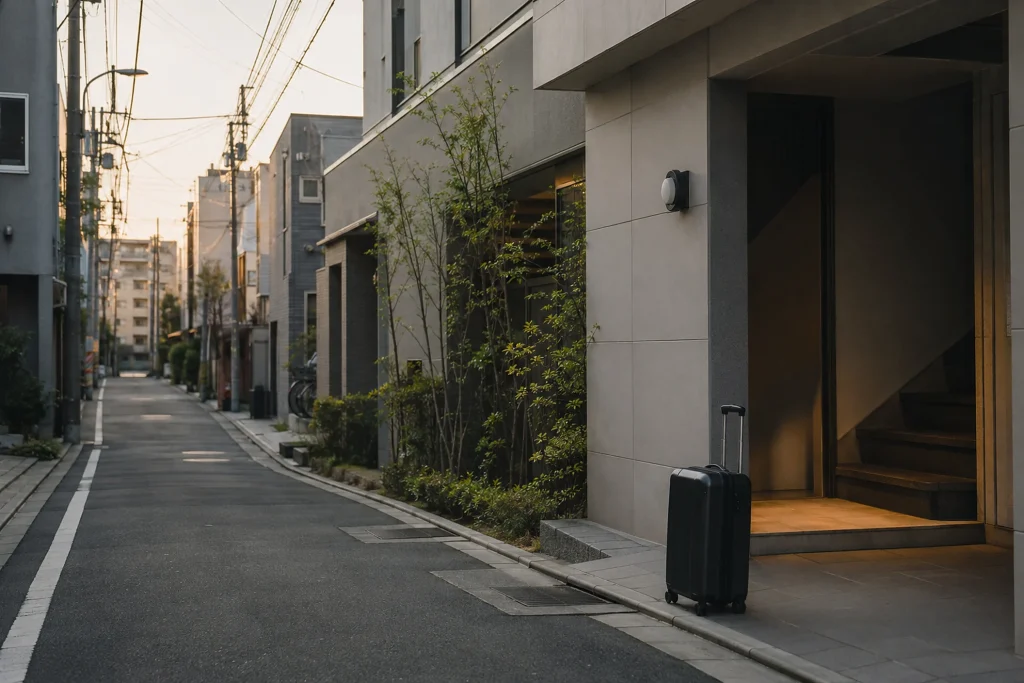
Tokyo’s Shinjuku Ward administration plans to ban “minpaku” properties rented to tourists for short stays from operating in residential areas and around schools. The regulation will also cover existing businesses; after a grace period, nearly half of the nearly 4 thousand properties could close. Complaints related to garbage, nighttime noise and smoking rose from 82 in fiscal 2021 to 1334 in fiscal 2025. Since December 2025, the licenses of 5 operators and the permits for 15 properties have been revoked, and operators have been barred for three years. Public comment on the bill will be sought in October, and a vote will be held in February. There were 3 thousand 749 properties at the end of March; 63.4% of operators were Japanese, 23.3% Chinese and 6% South Korean. The figure was 1366 in March 2022. Japan hosted 42 million tourists in 2025; its target for 2030 is 60 million. Visa fees were increased as of July.
Why it matters
The planned restriction highlights the tension between rising tourist demand and preserving the quality of life in residential areas. Including existing businesses means the decision will affect not only properties that would newly open, but also operators already earning income and the neighborhoods where these properties are located. While the Shinjuku Ward administration is tightening its enforcement approach on the grounds of increasing complaints about noise, garbage and smoking, the move pits Japan’s tourism growth targets against the need for regulation at the local level. Until the public comment and voting processes are completed, it will not be clear which areas will definitively be covered, how the period granted to existing properties will be implemented, or the scope of the closures.
Background
Tokyo, FikirPilot’s archive is no stranger to this name: over the past 90 days, we have published a news report in which it appeared; that article is dated September 4, 2026.