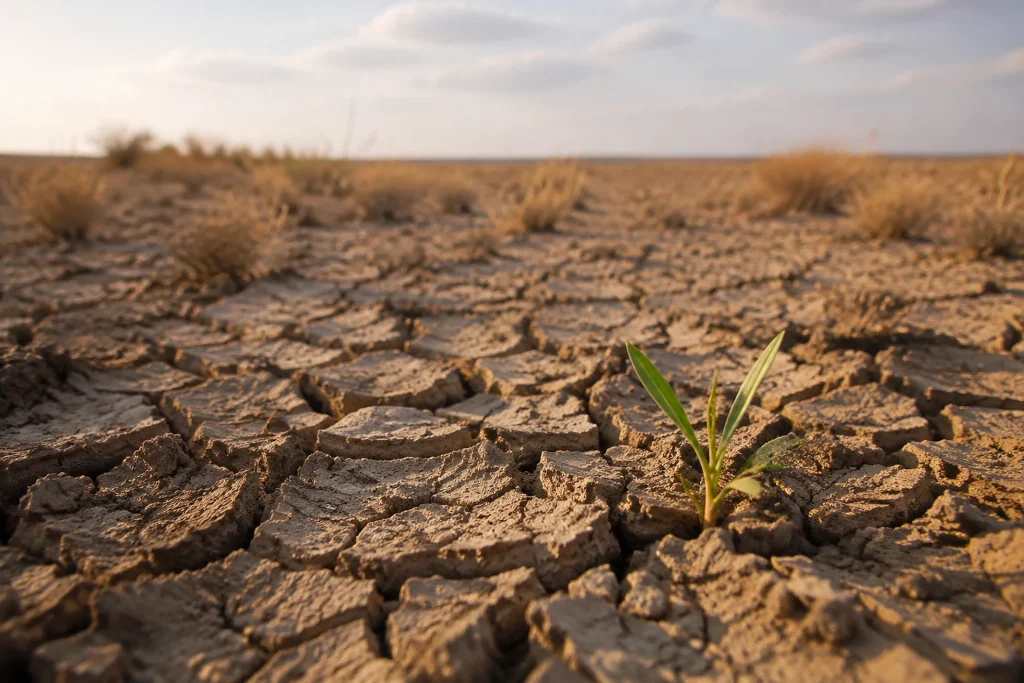
The 17th Conference of the Parties to the United Nations Convention to Combat Desertification, COP17, was held in Ulaanbaatar, Mongolia, from 17–28 August 2026 under the theme “Restore the land, grow hope.” At the opening, issues such as dust storms, migration pressure, desertification and drought were addressed, while attention was drawn to the lack of political will and financing needed for solutions. Activists stressed that it was not the land but humanity’s behavior that needed to be rehabilitated.
Carlos Alvarado Quesada, the former president of Costa Rica, whose speech drew attention, said that humans were part of the land and that the current economic model had failed. Quesada stated that markets and international financial institutions were not acting quickly enough, and that politicians needed to create budgets and implement their promises, while new institutions capable of responding to crises needed to be established. In his view, humanity must stop ruling over the land and make peace with it.
At COP17, participants from more than 190 countries developed policy, financing and implementation solutions. A herders’ festival, local fashion shows and technological solutions also accompanied the program. The colorful life that Mongolians have built despite difficult conditions, along with their kindness and discipline, stood out in impressions of the conference.
Why it matters
The focus on dust storms, migration pressure, desertification and drought at the center of the conference shows that land loss was addressed as an issue with not only environmental but also social consequences. The fact that discussions became deadlocked over the lack of political will and financing brings to the fore the question of whether the proposed solutions will turn into implementation and the mobilization of resources. Criticism directed at the existing economic model and international financial institutions indicates that responsibility is not being left solely to local communities. However, it remains unclear how the policy and financing solutions reportedly developed at the meeting will be implemented, which institutions will assume responsibility and to what extent, and how the promises will be backed by budgets.