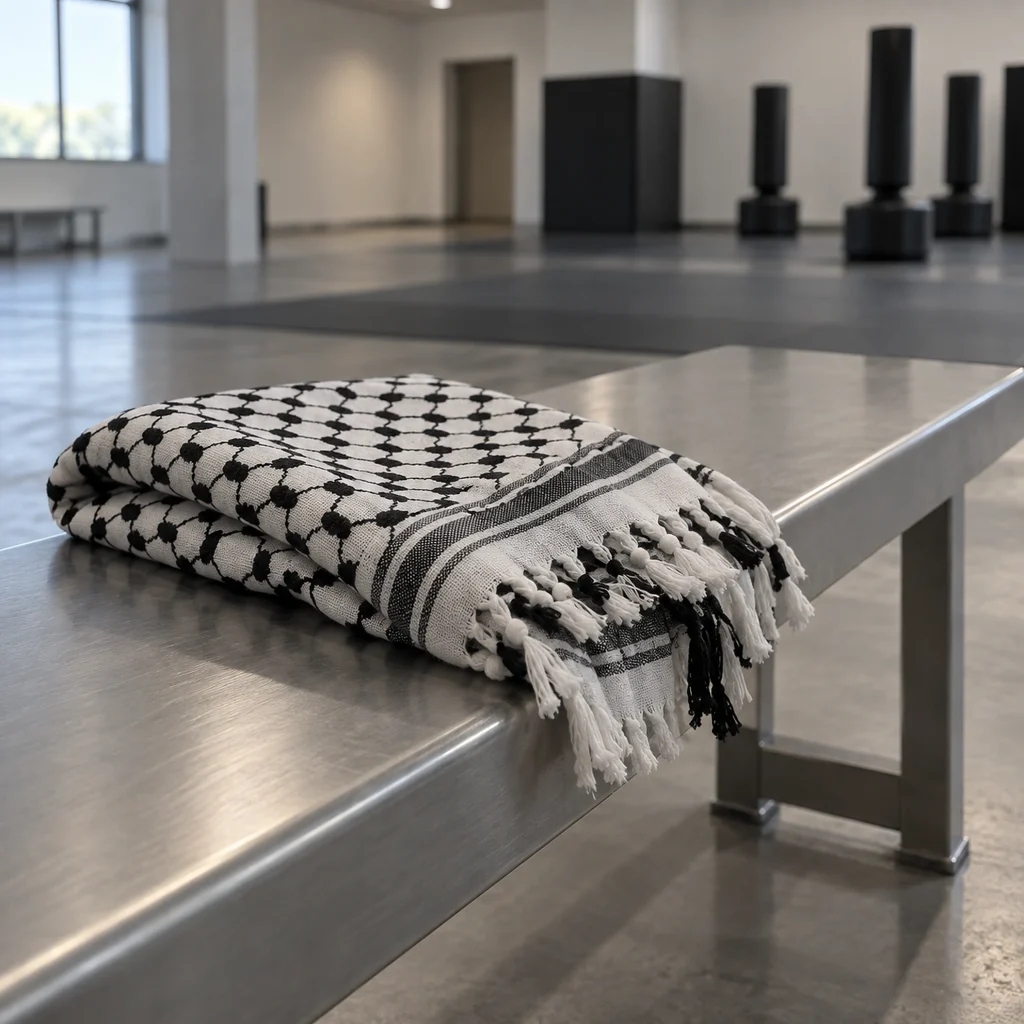
Japan’s Ministry of Foreign Affairs has been criticized on the grounds that the clothing used in an antiterrorism exercise held on September 10 reflected the stereotype of a Middle Eastern or Muslim “terrorist.” Photographs showed personnel playing terrorists wearing head coverings resembling the traditional Arab keffiyeh, while one person was seen pulling a sack over the head of the hostage. The photographs were removed following the backlash. The ministry said the clothing had not been designed based on any particular ethnic group, region or religion, and expressed regret over the misunderstanding. Foreign Minister Toshimitsu Motegi said they were taking the criticism seriously and that the exercise was important for protecting Japanese citizens. At a government facility in Tokyo, training organized by a security company drew on lessons from the July 2016 Dhaka attack. In the attack, 22 people, including 7 Japanese citizens, were killed after a 12-hour siege. Exercises have been held in Japan since 2018.
Why it matters
The incident shows that antiterrorism training is assessed not only through security scenarios but also through the visual and cultural signals used. In particular, in a drill based on lessons from the 2016 attack, the mismatch between the security message the exercise aimed to convey and the perceptions created by the costumes and accessories used has brought the way the training was designed into focus. Although removing the photographs and the ministry’s expression of regret were steps aimed at managing the backlash, it remains unclear how the materials used were selected and what will be changed to prevent a similar misunderstanding from recurring. For this reason, the development raises the issue of the responsibility to avoid stereotypes in security personnel training and how lessons drawn from attacks should be conveyed.