30-year-old Graciela Gómez Hernández crossed from east of Tijuana into Southern California on the afternoon of September 14, 2025. Planning to work to send money to her three children and her family in southern Mexico, Gómez Hernández had told her family about her journey the day before; her 11-year-old son had asked for a bicycle.
She entered the Otay Mountain Wilderness by climbing over the border wall or passing through a steep section where there was no fence. In an area where migrants walk 10 or 20 miles through the mountains to evade Border Patrol, she went missing a few hours later. Between 2 and 3, she sent her mother a message saying, “I can’t do this anymore,” and died. By the time forensic teams recovered her body two weeks later, much of it had decomposed into the earth.
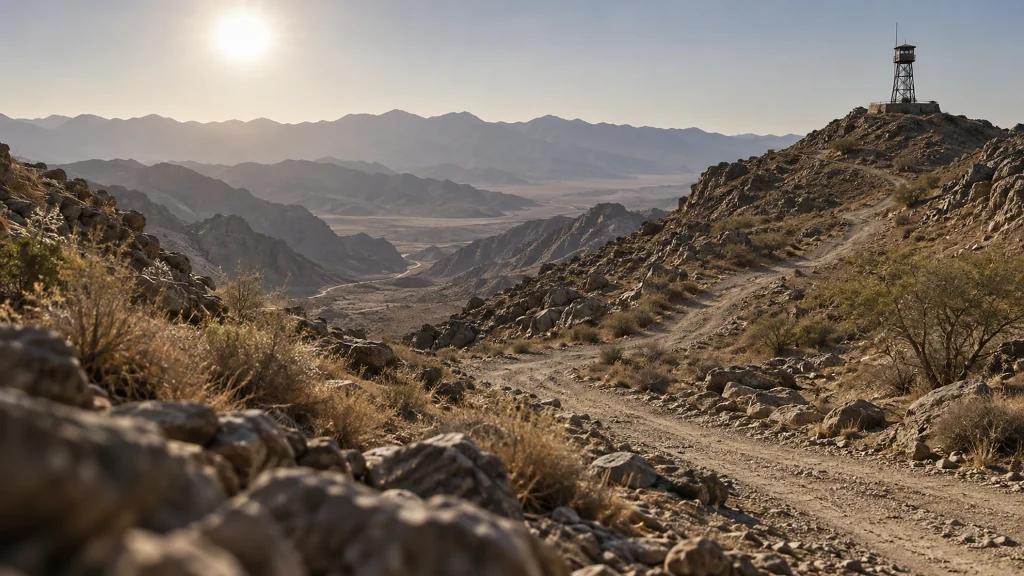
Gómez Hernández had written that she saw helicopters and patrol vehicles. A General Dynamics-built tower on a nearby hill, in use since 2019, carried cameras capable of monitoring a distance of 5 to 7 miles; she was only one mile away. Although the AI-powered towers cost more than one billion dollars, migrants continue to die in front of the cameras. Thousands of migrants have lost their lives while crossing the border over the past twenty years.
Why it matters
This incident shows that the high-cost, AI-powered systems used for border surveillance cannot be assessed solely by their imaging capabilities. The fact that a person within the cameras’ coverage area could not be found hours later raises questions about the gap between detection and timely intervention, as well as the limitations posed by mountainous terrain for these systems. The issue therefore concerns not only migration policies but also patrol arrangements, search-and-rescue responsibilities, and the criteria used to assess the outcomes of surveillance investments. The fact that thousands of deaths have occurred over the past twenty years leaves unanswered why technological capabilities have not been sufficient to prevent these losses and who oversees the process after a death.