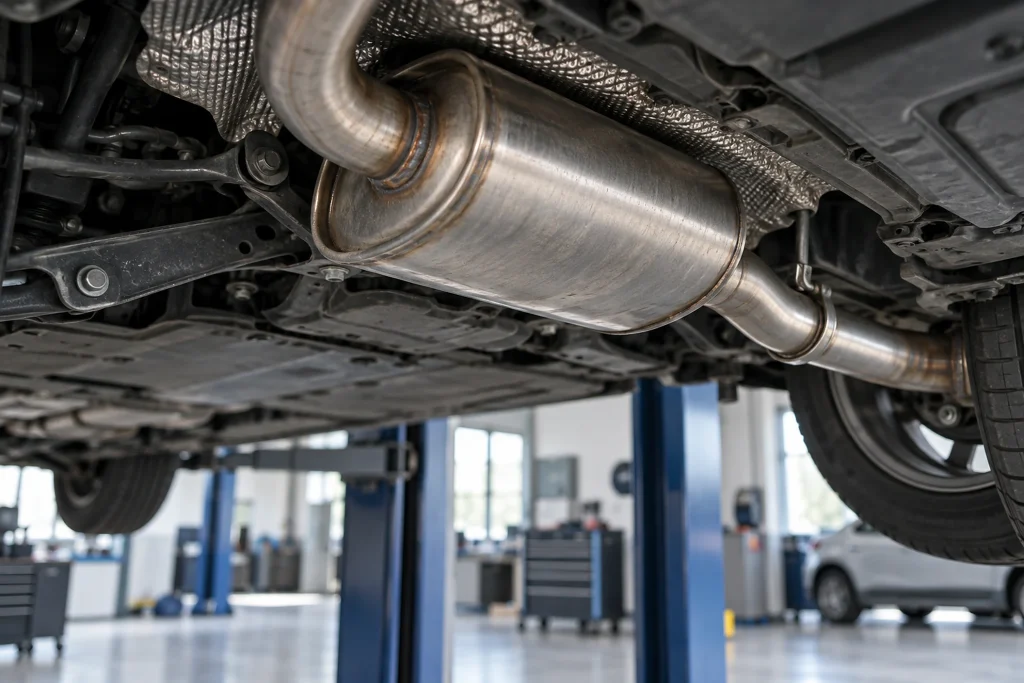
The diesel particulate filter (DPF) in the exhaust system of modern diesel cars reduces the release of soot produced by combustion into the atmosphere. Soot accumulated in the filter is burned at high temperatures during regeneration; however, clogging can develop if the process is interrupted frequently.
The DPF or engine fault light coming on is the main warning sign. In some vehicles, a filter icon or a message may appear on the display. Reduced power, changes in fuel consumption and more frequent regeneration may also be signs. If clogging progresses, throttle response may weaken and the vehicle may switch to a protective mode that limits power. For a definitive assessment, fault codes, DPF pressure difference and soot load data should be examined; the turbo, EGR, fuel system or sensors can also cause similar problems.
Short trips, switching the engine off before it warms up and heavy city traffic make regeneration more difficult. Faults in the injectors, EGR, turbo or air intake can produce excessive soot. Ash originating from engine oil cannot be eliminated through regeneration; physical cleaning may be required at high mileage. During regeneration, higher idle speed, increased fuel consumption, unusual fan operation and, in some models, the temporary deactivation of the start-stop system may be observed.
Why it matters
This issue shows diesel vehicle owners that viewing warning lights merely as temporary electronic alerts can conceal a more serious failure. Because the symptoms may resemble problems in different engine and exhaust components, making a decision based solely on how the vehicle feels to drive or on a single sign can increase the risk of unnecessary part replacement or delayed intervention. The way the vehicle is used is also not independent of maintenance needs; using it constantly for short trips makes it more difficult to manage the load accumulated in the filter. The key question that remains is whether the warning indicates a normal regeneration process or a more serious fault involving a sensor, the fuel system or the filter; this can only be clarified through technical measurements and fault data.