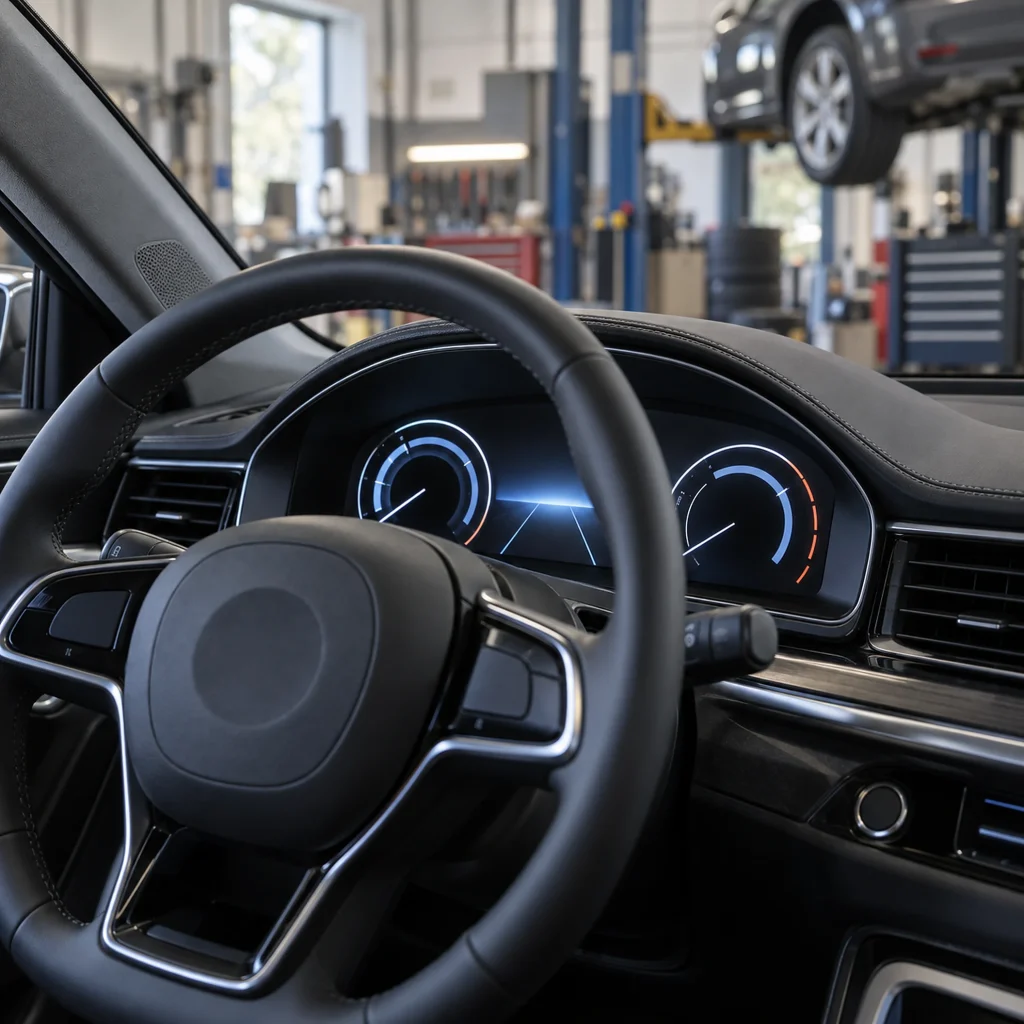
When assessing the mileage of a used car, buyers should not rely solely on the instrument panel; inspection and service records, electronic data, and the vehicle’s physical condition should be examined together. Mileage figures from previous years should be compared chronologically, and any decline or halt in the increase after a certain date should be explained. Date-and-mileage information on authorized or independent service invoices can also provide important clues. For example, if a vehicle recorded 180 thousand kilometers during a previous inspection but its current odometer shows 120 thousand kilometers, this is a serious inconsistency. However, a decision should not be based on a single piece of data because of possibilities such as record-entry errors, changes in usage, the vehicle remaining idle for an extended period, or a change of ownership. Different documents and previous inspection reports should be compared. Wear on the steering wheel, gear knob, pedals, and driver’s seat may also indicate an inconsistency with the odometer; however, driving style, city driving, material quality, and maintenance habits affect wear. If the seller’s statement does not match the records, the vehicle should not be purchased without a detailed inspection.
Why it matters
This framework requires used-car buyers to base their assessment on mutually corroborating evidence rather than leaving it to a single instrument or the seller’s statement. This makes it possible to consider a mileage discrepancy together with record-keeping errors, usage conditions, or the vehicle’s history, without treating it directly as grounds for a definitive conclusion. For the buyer, the key change is that the purchase decision is tied not only to the vehicle’s current appearance but also to whether its history can be tracked chronologically. The open question is what caused the discrepancy when different records and wear on the vehicle do not match; in such cases, a decision made without a detailed inspection would have a weak basis.