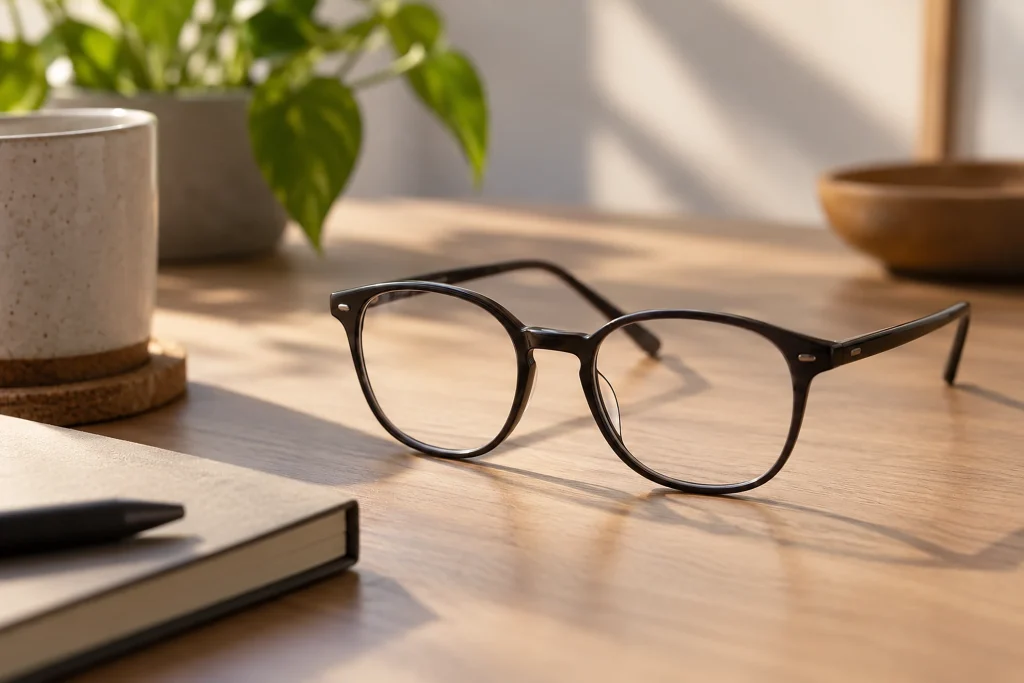
Legato, a hearing technology startup, launched its AI-powered Legato Frames glasses for adults on October 1, 2026. Targeting users with up to moderate hearing loss, the product has a starting price of $999. The company aims to offer an alternative to the cost, comfort and stigma issues associated with traditional hearing aids.
The glasses’ key features are as follows:
- AI separates speech from background noise, amplifying voices and reducing unwanted sounds.
- Despite the open-ear design, dual speakers direct sound toward the user; sound leakage is reduced by 99% at a distance of a few centimeters.
- All processing takes place on the glasses; the company says they have no camera or recording capabilities.
- Weighing 34 grams with the lenses included, the product offers 10-12 hours of battery life.
- Available in three different styles, the glasses support prescription lenses and Bluetooth streaming for music and calls.
Legato Frames are available through the company’s website and select vision care providers in the US; the product may be covered by vision insurance. The startup emerged from stealth a few weeks ago by announcing that it had raised $12 million from Neotribe Ventures, Listen and Village Global.
Founded in 2024 by Mehul Trivedi and Steve Romine, Legato’s founders previously worked at Bose. Trivedi led the development of Bose Frames and worked on the Meta Ray-Ban smart glasses at EssilorLuxottica, while Romine headed Bose’s hearing aids division and served as COO at Audicus.
Why it matters
Legato Frames offers a different option for adults who do not want to use traditional hearing aids or who are concerned about the cost and visibility of those devices by bringing hearing support into an eyewear format. Its open-ear design, prescription lens support, and calling and music functions reflect an approach that combines hearing assistance with an everyday accessory; the absence of a camera and recording capability, meanwhile, makes it a distinct choice in terms of privacy. However, the product’s target audience, limited to hearing loss up to the moderate level, narrows its scope for users with more advanced hearing loss. How the price and insurance coverage will affect accessibility, as well as whether the 10-12-hour battery life will be sufficient for daily usage patterns, remain open questions.