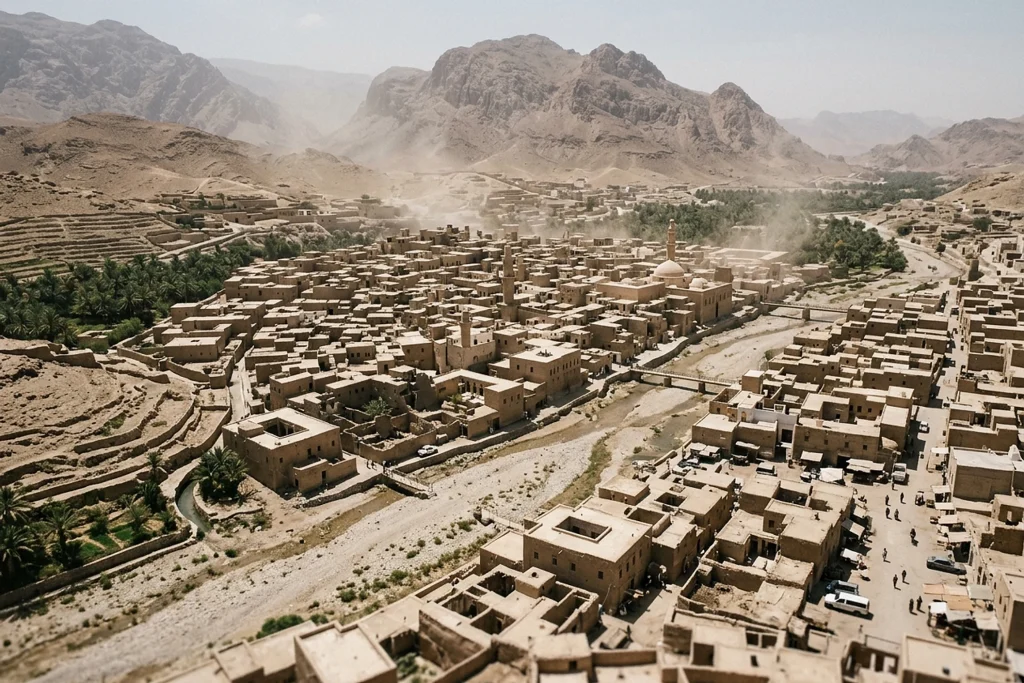
The clashes in Yemen could determine the fate of the war in Taiz province. Taiz Governor Nabil Shamsan announced that Houthi militias have besieged the city for 15 days, closing all roads. In the city, whose population has approached 4 million due to migration, power plants and the water network have stopped working because fuel deliveries have been blocked. Waste collection has also halted. Medicine shortages have left hospitals unable to provide services. The United Nations Office for the Coordination of Humanitarian Affairs (OCHA) also announced that the humanitarian crisis in Taiz is worsening.
The clashes have intensified further. According to Reuters, the fall of Taiz, Yemen’s third-largest city, could be a “turning point” in the fighting, which has escalated as the Houthis advanced from Hodeidah toward Bab el-Mandeb. The Houthis have held Sanaa since September 2014. The Saudi Arabia-led coalition, meanwhile, has supported the Aden-based government since March 2015. Government forces are counterattacking around Bab el-Mandeb. At least 19 people have been killed in attacks carried out by the Houthis on airports in Saudi Arabia in recent weeks.
The Wall Street Journal claimed that Iran is providing intelligence to the Houthis. Tehran denied the allegations. Foreign Ministry Spokesperson Ismail Bekayi said they are ready to support the resolution of the problems in Yemen, while Houthi official Mohammed al-Buhayti described the allegations as an “exaggeration.”
Why it matters
The assessment that the fall of Taiz could be considered a turning point in the war removes the city from being a local siege issue and ties it to the fate of the balance of power in Yemen. The population, which has approached 4 million with migration, shows that the real burden of the blockade falls not on the warring parties but on civilians who fled the fighting and took refuge in the city. Because the interruption of fuel supplies has collapsed electricity, water and hospital services together, the humanitarian crisis is growing steadily more severe; the UN’s warning of deterioration confirms this picture. The Houthis’ attacks on airports in Saudi Arabia and the allegations of intelligence support leveled against Iran indicate that the crisis carries a regional dimension extending beyond Yemen’s borders. Whether the Government forces’ counterattack around Bab el-Mandeb can break the siege remains the open question of the coming days.
Background
Yemen is not a new name in the FikirPilot archive: we published a story featuring this name in the last 90 days; that article is dated October 8, 2026.