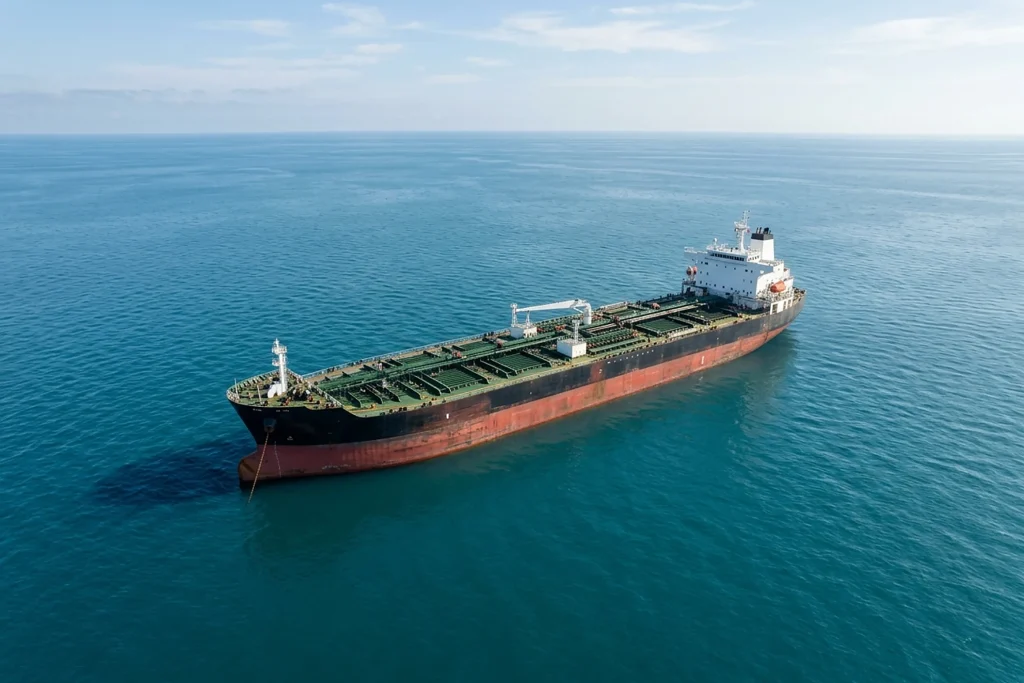
WSJ reported that “Iran’s oil transported via the shadow fleet has run out.” According to the Wall Street Journal, Iran’s crude oil stocks transported via the “shadow fleet” it uses to circumvent US sanctions have run out. Kpler determined this in mid-October. Most of this oil is sold to China. Analytics firm Kpler reports that as of mid-October, the oil held in tankers off the coasts of Malaysia and Singapore has completely run out. These sales account for approximately 30 to 40 percent of the Iranian government’s revenues.
Kpler data reveals the picture. According to Kpler data, in February, when the war began, Iran’s overseas stockpile stood at approximately 135 million barrels and was worth more than $10 billion. Stocks dwindled rapidly. In April, the Trump administration imposed a full blockade on the Strait of Hormuz. Stocks dwindled with this move. With the ceasefire in June, the reserve rose to 90 million barrels. However, with the resumption of the blockade in mid-July, it fell below 1 million barrels on October 5.
The White House is applying pressure. The White House is using the blockade to push Tehran toward a nuclear deal. While US Treasury Secretary Scott Bessent argues that Tehran is seeking a deal, Iman Nasseri of FGE NexantECA points out that Iran has resisted pressure in the past as well. The meeting took place in Bangkok. Central Bank Governor Abdunnasır Hemmati said at the IMF meeting in Bangkok that the economy is showing resilience.
Why it matters
The depletion of stocks removes the most important financial buffer at Tehran’s disposal; these sales, which account for 30 to 40 percent of government revenues, can now be sustained not from the reserves in storage but only through current production. This picture reflects the blockade’s impact directly on the budget and constitutes the main leverage behind the pressure the White House is exerting for a nuclear deal. Those most affected by the development are China, which buys the bulk of the oil, and Iran’s public finances. The rapid recovery of the reserve during the June ceasefire shows that the picture could reverse in the event of a settlement. However, as Nasseri points out, Tehran has resisted similar pressure in the past as well; Hemmati’s emphasis on resilience in Bangkok also indicates that this line continues. The question that remains open is whether the economic squeeze will turn into concessions at the negotiating table.
Background
Iran is not a new name in the FikirPilot archive: we have published 22 stories mentioning this name in the last 90 days; the most recent is dated October 17, 2026.