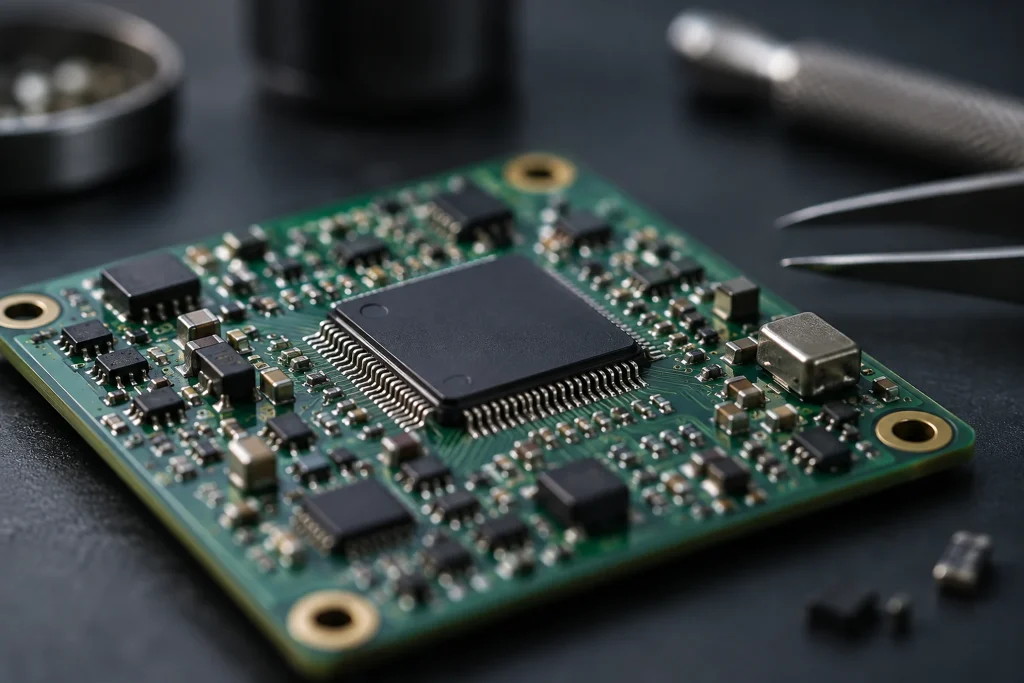
Raspberry Pi Foundation added code to the firmware that locks the boot process when non-original RAM chips are detected on the device. According to Raspberry Pi, this step was taken because boards with secretly modified RAM, which were often faulty, were appearing frequently enough. While the measure warns buyers about questionable sellers, it can also render devices unusable for users who upgrade their own memory.
Arya Voronova notes that an older version of the initial firmware can be installed; however, this method leaves behind the improvements introduced since 2023 and will become increasingly outdated over time. Jeff Geerling proposed an “incompatible memory” bit that users could control, but it was noted that this could be overlooked. As another alternative, an example was cited of a phone with an open-source operating system and root access that displays a warning on every boot and requires the power button to be pressed to continue.
A similar warning is difficult on Raspberry Pi because the presence of a screen or keyboard is not guaranteed. In the past, FTDI drivers completely rejected counterfeit USB-serial converters; users who could not distinguish the widespread counterfeits, even when buying from reputable sellers, had reacted negatively. The article is looking for a solution that would provide a noticeable tampering warning without stopping the device. The content is part of the Hackaday.com newsletter, published every seven days for 200+ weeks and also featuring selected articles from the past seven days.
Why it matters
This approach shows that hardware verification in the Raspberry Pi ecosystem has implications not only for reliability but also for the device owner’s freedom of use. The aim of filtering out boards purchased from questionable sellers puts the same mechanism up against users who modify their memory using their own means or do not know the history of the product they purchased. Although it is possible to revert to older firmware, the fact that doing so requires giving up improvements added since 2023 means the solution is more than a simple rollback. How the warning that would give users the right to decide is to be delivered on boards without a screen or keyboard remains unclear. The similar experience with FTDI drivers serves as a reminder that automatic blocking could also harm those who purchase from reputable sellers.