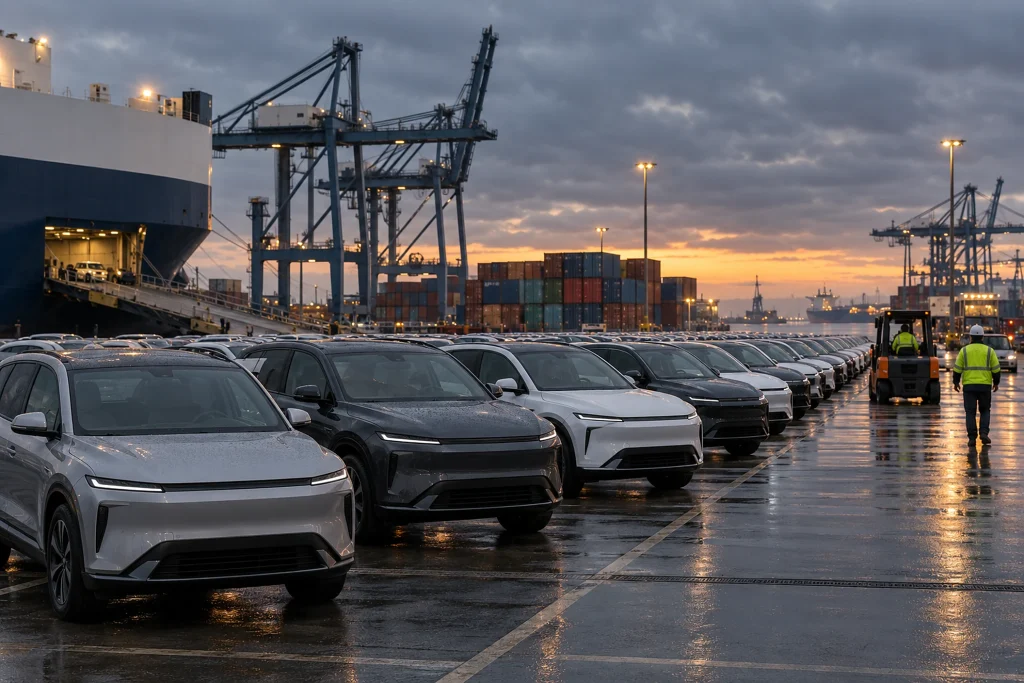
The growing rapprochement between Spain and China is raising concerns in the European Union (EU), which is seeking new partnerships. Prime Minister Pedro Sanchez has met Chinese President Xi Jinping 4 times over the past 4 years and has argued that the EU should improve its relations with China since Donald Trump was re-elected president two years ago. According to the BBC, some EU countries view China as a strategic rival and geopolitical threat, accusing Madrid of putting its national interests ahead of common interests by opening its market to Chinese companies. France advocates tighter trade measures, while Germany and Spain are taking a more moderate approach. Investments in Spain by Chinese companies Chery, Hithium and CATL have raised concerns that Beijing could circumvent electric vehicle tariffs. Expert Miguel Otero notes that France, Germany and Italy are also diversifying their relations with China as trust in the United States declines. The Global Times, meanwhile, criticizes Brussels for failing to recognize Madrid’s pragmatism.
Why it matters
This rapprochement is pushing the EU’s common approach toward China into a more difficult balance between economic interests and security concerns. Spain’s emphasis on investment and trade relations raises not only a bilateral choice for countries seeking to maintain their distance from China, but also the question of how the single market should be protected. Projects in the electric vehicle and energy sectors are taking the debate beyond diplomatic contacts and linking it to the competitive conditions of European industry and tax policies. The unresolved issue is whether differing approaches can be reconciled within a common trade and security policy; this decision could affect both the room for maneuver of Chinese companies in Europe and the trust that member states place in one another.