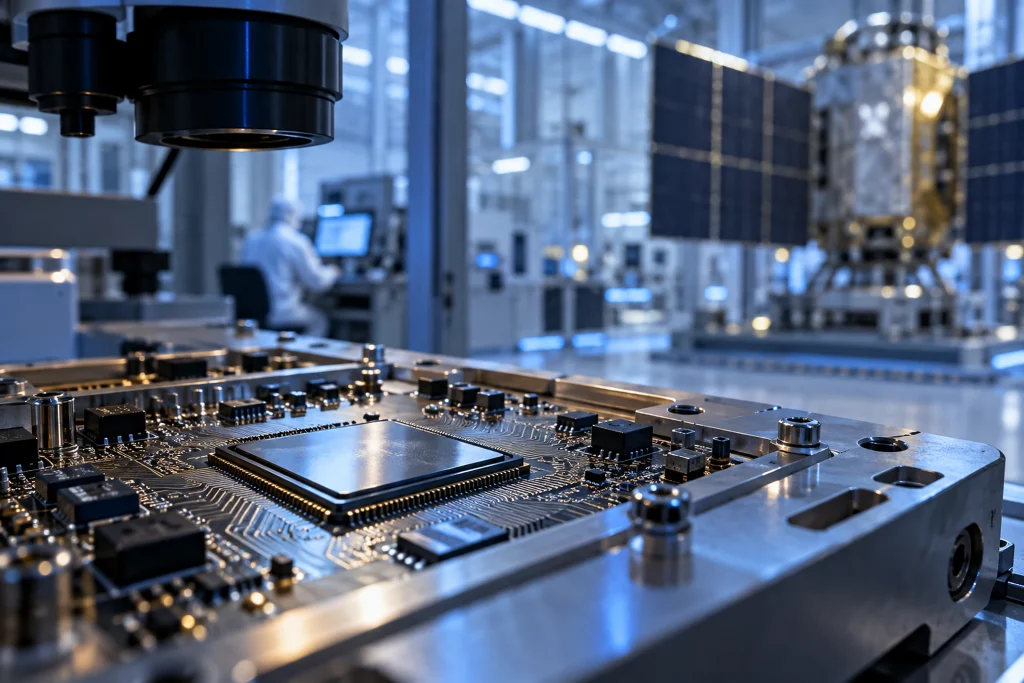
Google plans to launch the prototype satellite developed under Project Suncatcher next week on SpaceX’s Transporter-18 rideshare flight. The trial, conducted in collaboration with Planet, aims to examine the performance of TPU chips under space conditions.
The prototype will be exposed to launch vibrations, acceleration, radiation and temperature changes. Google anticipates acceleration of up to 10 g for the satellite and short-term levels of 50 to 100 g for the components; the hardware was therefore subjected to three-axis vibration tests. The data obtained will show whether the laboratory results are replicated during an actual mission.
Why it matters
This trial will test whether TPUs can operate not only under controlled laboratory conditions but also under the combined physical effects they will encounter in orbit. The vibrations and acceleration that may occur during launch, together with radiation and temperature changes, could show how the conditions assessed separately in laboratory tests combine during an actual mission. The results will therefore help Google assess to what extent the durability assumptions it uses in hardware design hold up in the field. The key open question is whether the three-axis vibration tests and other preparations are sufficient to predict the prototype’s performance in orbit; the data to be obtained will form the basis for this comparison.
Background
Google is not a new name in the FikirPilot archive: we have published 50 news articles mentioning the name in the last 90 days; the latest is dated September 24, 2026.