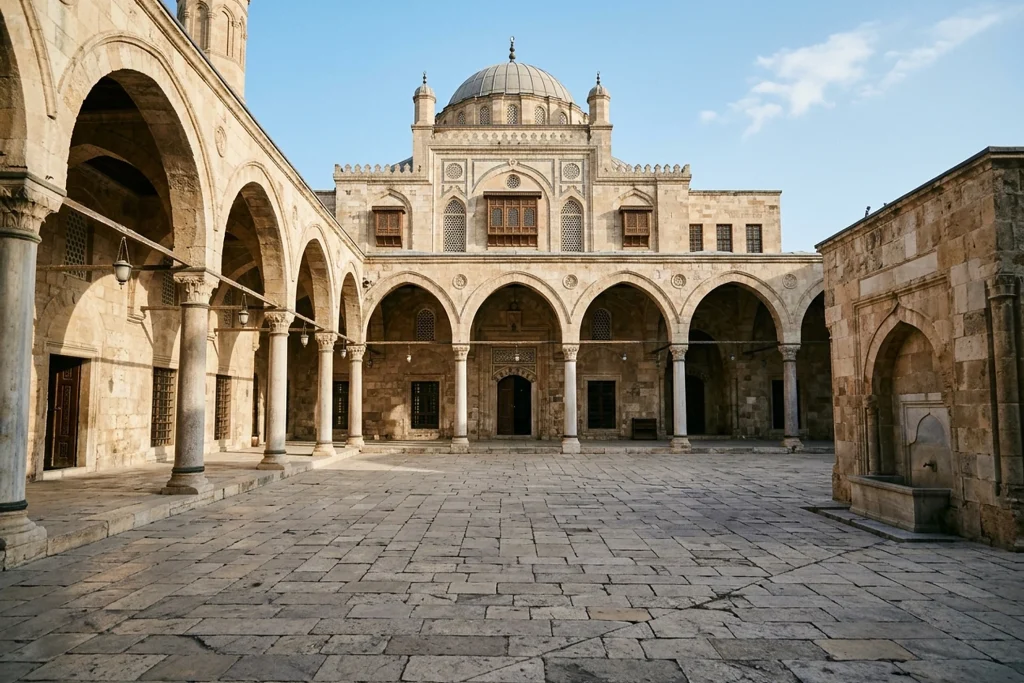
Speaking in Diyarbakır, Fatih Erbakan said they would definitely resolve the issue of education in the mother tongue. Fatih Erbakan, leader of the Yeniden Refah Party, attended a press statement organized by civil society organizations in front of the Ulu Cami (Grand Mosque) in Diyarbakır against Azerbaijan’s decision to declare 31 Turkish citizens “persona non grata.” The gathering took place in front of the Ulu Cami.
Erbakan spoke after his visit to shopkeepers. Speaking to journalists, Erbakan described the headscarf ban in Azerbaijan as a practice that obstructs the right to education and violates freedom of religion and belief. An entry ban followed. Erbakan noted that the entry ban came after their statements of condemnation, saying that this did not matter to them and that they wanted the ban lifted. The President should also warn Aliyev.
Erbakan did not comment on this matter. Erbakan said they would not comment until the positions of the government and other parties on Article 66 of the Constitution became clear, and said that the people of the region had embraced them with a sense of loyalty. Erbakan stated that they had come to the region to embrace all 86 million people without discrimination based on race or sect.
Emphasizing that no one can usurp the right to one’s mother tongue, Erbakan said that, as they had also expressed in Van last week, when they come to power they will definitely solve the issue of education in the mother tongue. The right to one’s mother tongue cannot be usurped. The planning can be done by experts and the Ministry of National Education. Noting that this could happen through private schools or through a step taken by the state, Erbakan expressed that they were in favor of allowing education in the mother tongue if there is demand.
Why it matters
Erbakan’s highlighting of education in the mother tongue in Diyarbakır as a pledge for when they come to power shows that Yeniden Refah is pursuing its outreach to the people of the region through a concrete rights demand. Its refusal to comment on Article 66 of the Constitution before the positions of the government and the other parties become clear reveals that the party is avoiding committing itself, for now, on this sensitive issue. The fact that the headscarf criticism directed at Azerbaijan was met with an entry ban on 31 Turkish citizens illustrates how an objection grounded in freedom of education and belief can turn into tension between the two countries. Erbakan’s call on the President to warn Aliyev reflects an effort to use the issue against the government in domestic politics. The fact that it has been left open whether the promise of education in the mother tongue would be implemented through private schools or by the state means that the proposal has not yet been anchored to a concrete model.
Background
Erbakan is not a new name in the FikirPilot archive: over the last 90 days we have published 9 stories featuring this name; the most recent is dated October 17, 2026.