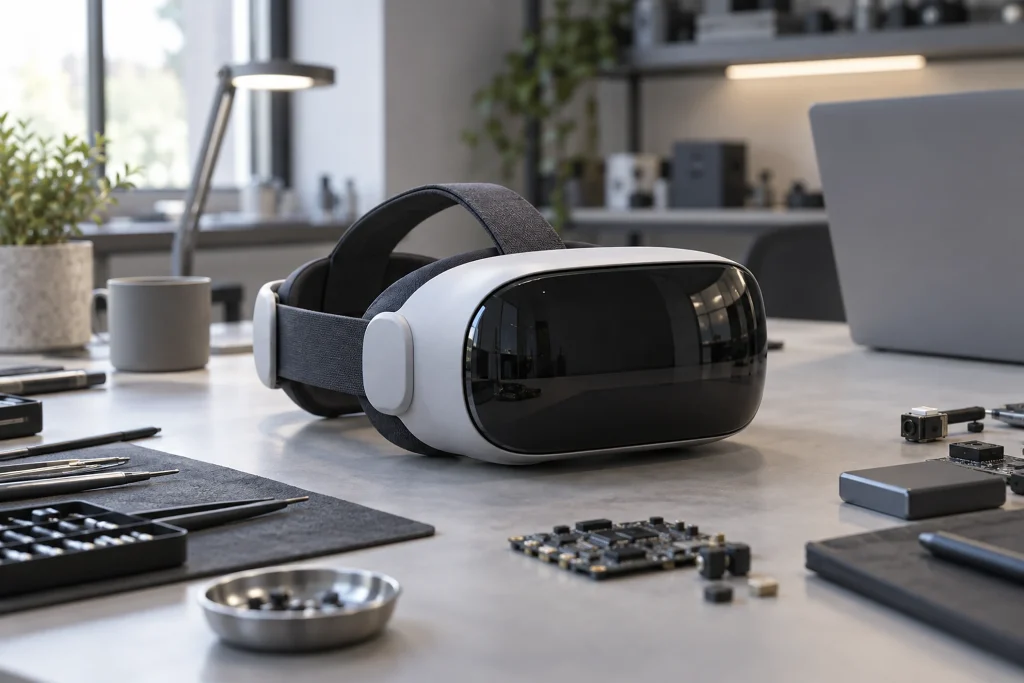
Apple’s augmented reality headset Vision Pro, launched by Apple in 2024, was criticized for its high price and limited use cases despite positive reviews. Following claims that a cheaper and lighter version was in development, Bloomberg reported that the company was considering two designs for the device codenamed N224, which is expected to renew the project:
- Reducing the device’s size and weight by placing the processor and technical components in a disc-shaped case.
- Keeping the basic design while using new materials.
It was reported that Apple has not yet decided which option to choose and that the device may not be released until 2027 or 2028. While the company continues to support it, CEO John Ternus compared Vision Pro to the early days of computers in an interview with Canal+, saying it was “the beginning of a long journey” and highlighting its uses in surgery and filmmaking.
The reports came as Meta introduced its $1300 “VR Glasses,” which are much lighter than Vision Pro. While Apple is reportedly developing similar smart glasses, their features remain unclear; Meta’s product is being referred to as “pervert glasses” amid allegations of unauthorized recording.
Why it matters
The debate surrounding Vision Pro shows that Apple is trying to clarify not only its next model, but also which use cases and design philosophy its augmented reality product will pursue. The choice between a smaller, lighter form factor and continuing the existing design with new materials requires a balance between the device’s portability and the placement of its technical components. Meta’s lighter and lower-priced product leaves it unclear what distinction Apple will offer in response to criticism of its high price and limited experience. The emphasis on areas such as surgery and filmmaking suggests that Vision Pro is not positioned solely for consumer entertainment. However, Apple’s design choice, its smart glasses plans, and when the device will be released remain unclear.