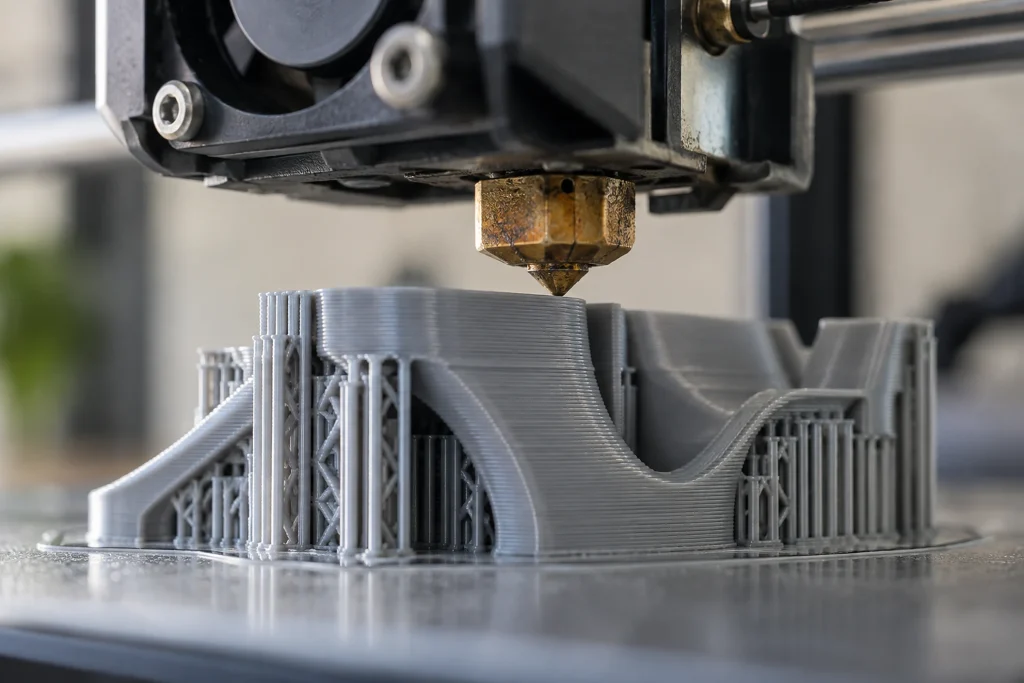
The use of supports in 3D printing is controversial due to the effects of gravity and the debate over the “one right method.” [Matthew Trahan] recommends fins instead of grid or organic tree supports. While current methods in FDM printing lead to material waste and marks that require surface finishing, fins are designed to be produced with minimal material and to break away cleanly. The tool, developed with Claude’s assistance, runs locally or can be used via printfins.com. For now, the fins are incorporated into the STL model; a slicer plugin may be added in the future. The idea comes from [Slant3D], which had manually added the supports using CAD software. Small teeth that can be added strengthen the connection but make removal more difficult. Gaps can reduce weight but may extend print time.
Why it matters
This approach requires support selection in FDM printing to be evaluated not only in terms of keeping the print standing, but also in terms of material consumption and post-print cleanup. The goal of reducing the marks left by traditional grid and tree structures directly concerns users who prioritize surface quality and want to reduce post-processing work. However, incorporating the fins into the STL file shows that the method is not yet fully integrated into the slicing process, leaving room for improvement in terms of ease of use and adaptability to different printing scenarios. In addition, the fact that teeth that strengthen the connection make removal more difficult may require a separate balance for each model between using minimal material and ensuring that the supports are secure and easy to remove.