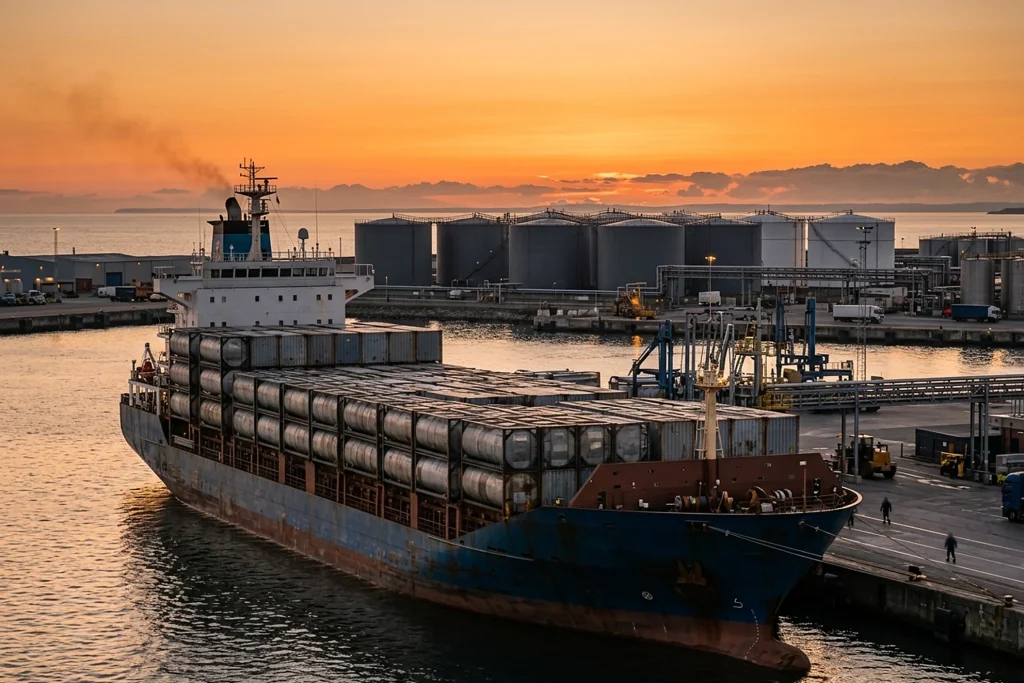
Will the US’s “diesel strategy” bring Russia back to the negotiating table? A Reuters analysis raises this question. According to Reuters’ analysis, the Trump administration aims to soften Moscow’s stance in the Ukraine peace talks through a diesel fuel supply agreement made with Russia. Under the agreement announced by Trump, Russia will supply more than 2.25 million barrels of diesel to the US and global markets. While the White House argues this will lower energy prices, it drew criticism from both parties.
According to sources whose identities are kept confidential, US officials told the Ukrainian delegation at a meeting in Miami on October 9, also attended by European representatives, that Putin is not ready for negotiations. The diesel agreement was also discussed. Officials said the diesel agreement could revive trilateral talks. At the meeting, Jared Kushner asked Kyiv to halt attacks on Russian refineries, and sources also claim that a veiled threat was made to cut off intelligence sharing.
Trump announced an energy ceasefire on October 11, but Moscow and Kyiv did not confirm it. Kremlin spokesperson Peskov rejected Zelensky’s 60-day ceasefire proposal. A source close to the Kremlin argues that Putin will only return to the table after capturing the remaining 11 percent of Donbas, while Kyiv is not open to territorial concessions. Zelensky stated that the attacks are continuing.
Why it matters
This development shows that energy trade is being used directly as leverage in war diplomacy; the diesel deal sits at the same table as an incentive, while the possibility of cutting off intelligence sharing serves as a pressure tool. For Kyiv, the outcome is twofold: while the attacks on Russian refineries are one of the pressure tools at its disposal, the demand to halt them and the claim that intelligence sharing could be cut off may weaken Ukraine’s negotiating power. The reaction from both parties in the US shows that the deal also carries a cost in domestic politics. The key question that remains open is whether economic incentives will change Putin’s condition regarding the remaining 11 percent of Donbas; the energy ceasefire, which has not been confirmed by the parties, also reveals the gap between announcements and implementation on the ground. For the reader, the picture points to a single chain of negotiation stretching from fuel prices to the front line.
Background
The US is not a new name in the FikirPilot archive: we have published 45 stories mentioning this name in the last 90 days; the most recent is dated October 10, 2026.