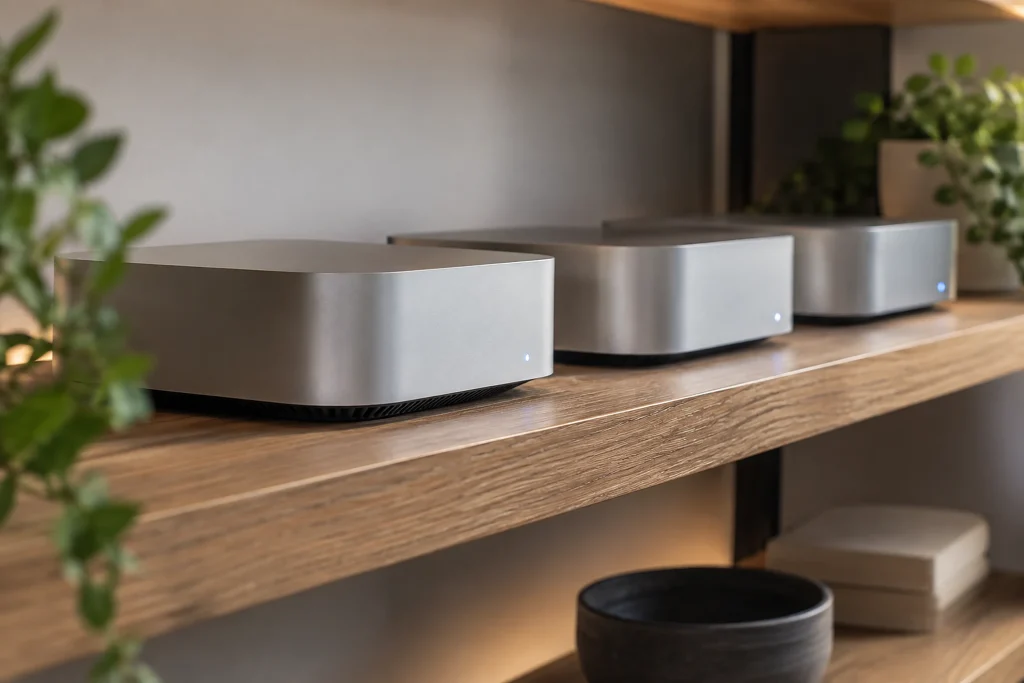
Meta Superintelligence Labs product manager Nat Friedman said that his personal artificial intelligence agent Muse was “definitely heavily inspired by” OpenClaw, but that it was not based on its code and had been developed from scratch within the company. Friedman, the former GitHub CEO, said he bought hundreds of Mac mini computers for the team after trying OpenClaw in January, and that employees had begun regularly using OpenClaw and other personal agents. Meta aimed to offer similar functions with a focus on security, ease of use and large-scale deployment. The debate grew when Ansh Nanda, co-founder of an artificial intelligence application, described Muse as “OpenClaw for normal users” and shared screenshots claiming that there were direct matches in the files of the two systems. User comparisons took the allegations to the level of filenames and content.
Why it matters
This debate brings to the fore the question of when similar functions and product design in artificial intelligence agents should be considered inspiration and when they should be considered direct copying. When Meta’s statements about code independence and development from scratch are assessed alongside posts indicating similarities at the level of filenames and content, they raise the question of how the technical origins can be distinguished through publicly available evidence. The issue concerns not only companies developing personal agents but also teams using these tools, because claims about security and ease of use require scrutiny not only of the functions but also of the development process. However, the available information does not establish the source of the alleged matches or the scope of the relationship between the two systems with certainty.
Background
Meta is not a new name in the FikirPilot archive: we have published 20 news stories mentioning the name in the last 90 days; the most recent was dated 20 September 2026.
Term: agent
An AI agent is software that calls tools and carries out multi-step tasks to achieve a goal instead of producing a single response.