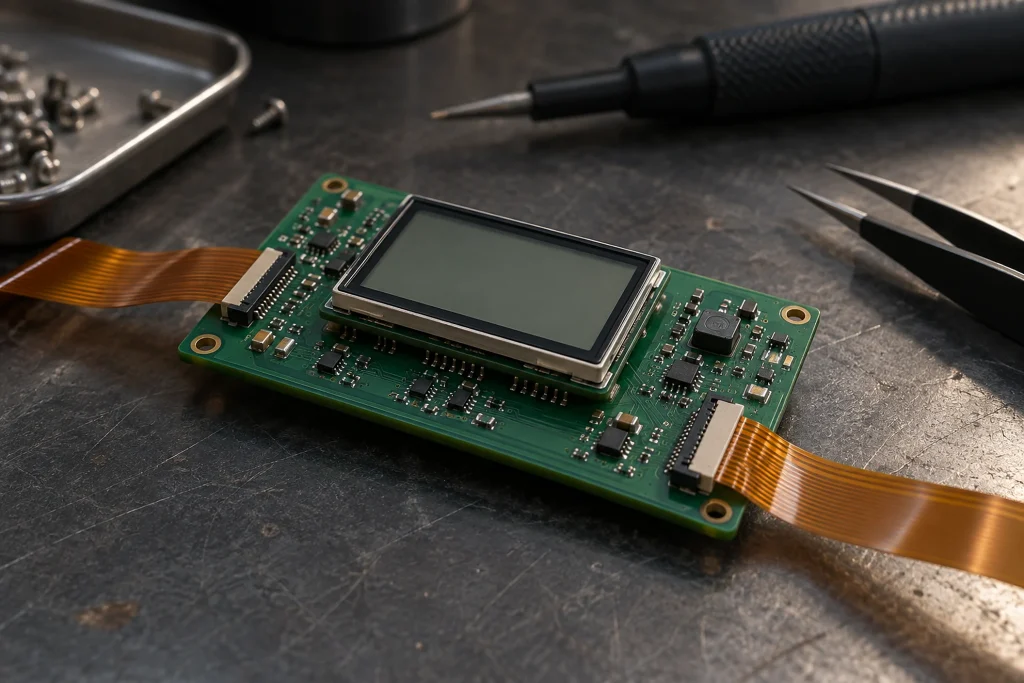
Although Linux-based handheld computers built around single-board computers appear theoretically easy and inexpensive, the cost usually rises into the three-digit range. [bkovac] used the MF800 4G hotspot, sold on AliExpress for approximately 20 dollars/euros/pounds, for this purpose, along with an iPhone USB keyboard case and an Adafruit Sharp memory display. The MF800 features a Qualcomm MSM8916 (Snapdragon 410) processor and offers an inexpensive alternative to the Raspberry Pi with mainstream Linux support. The modem’s case and PCB are modified, the keyboard is fitted inside, and a custom power board is prepared. Extensive software hacks are required to operate the display.
Why it matters
The project shows that the cost of developing a Linux-based portable computer is not limited to the price of the parts used. Although it is possible to repurpose a low-cost 4G hotspot, modifications to the modem’s case and circuit board, the preparation of a custom power board, and extensive software adjustments for the display are required. Therefore, rather than a ready-made product, the approach offers a do-it-yourself option that may appeal to users with hardware and software expertise. At the same time, it demonstrates that existing communications hardware can be repurposed for a different use case for those seeking an alternative to widely used platforms such as the Raspberry Pi. However, it remains unclear how smoothly the display support and the hardware modifications will work in daily use.