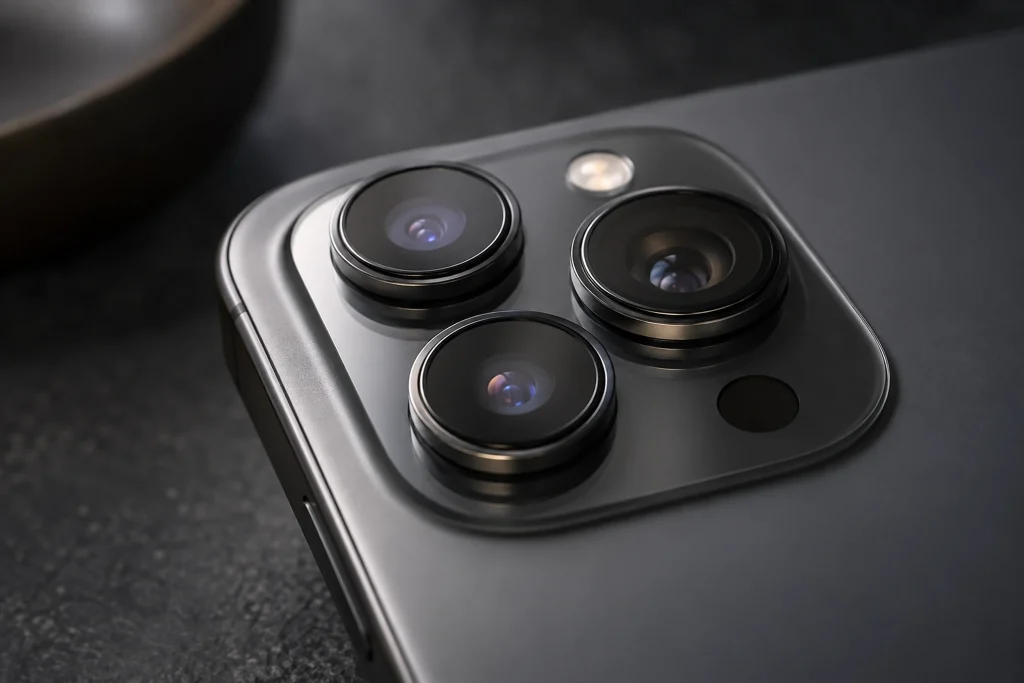
Apple has developed the Apple Reference Image system to verify the source and authenticity of digital photographs. When enabled, the camera sensor operates in a special reference mode, cryptographically signing pixel data at the moment it is captured; the sensor software is not allowed to alter the data. This approach provides protection against manipulation at an earlier stage than methods that generate a signature after processing. Alongside the editable photograph, the system creates an immutable “secure digital negative” containing the raw pixels, metadata, cryptographic timestamps, and upper and lower time bounds. This separates the shared image from the verification record. For verification, the file is sent without processing to the Private Cloud Compute infrastructure developed by Apple for Apple Intelligence. Operations are carried out in a secure, private, and verifiable environment; Apple says privacy is protected without the company accessing the content.
Why it matters
Rather than trying to determine whether a photograph has been altered after the fact by examining only the final file, this system moves the chain of trust to the moment of capture. Separating the editable image from the immutable verification record allows the photograph to be processed while making it possible to verify its source using raw data and time information. This approach is directly relevant to people and organizations that need to check an image’s origin and authenticity. The use of Private Cloud Compute addresses verification and privacy within the same process; the system’s reliability rests on operations being conducted in a verifiable environment where Apple cannot access the content. However, the information provided does not answer how verification can be examined outside Apple’s infrastructure or who can verify the records.
Background
Apple is not a new name in the FikirPilot archive: over the past 90 days, we have published 56 articles mentioning the company; the most recent is dated September 15, 2026.