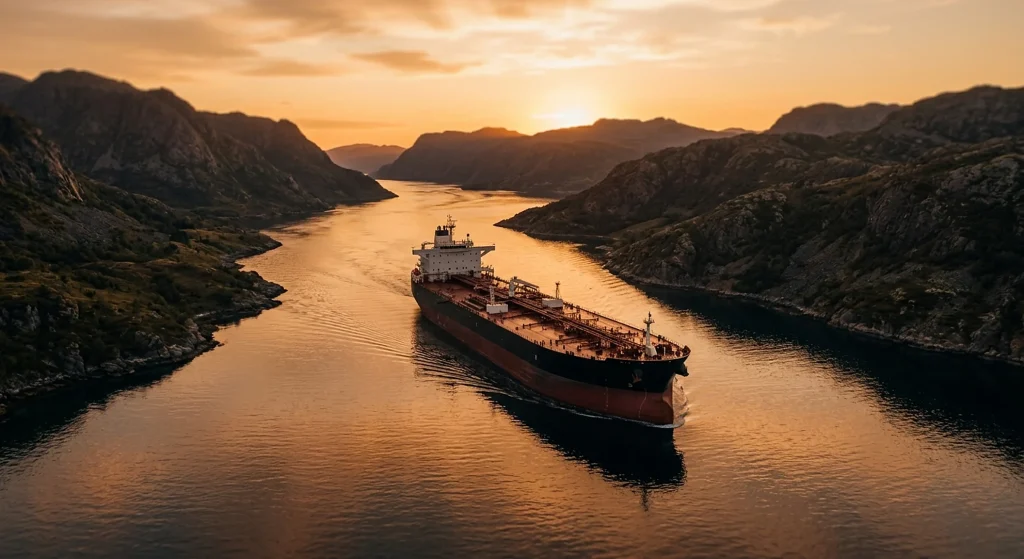
The conflict between Iran and the US has evolved into a complex equation that goes beyond the nuclear program, intertwining the economy, energy, and maritime navigation. At the heart of the equation lie the Strait of Hormuz and Iran’s oil industry.
Tehran aims to restructure the negotiation process with a proposal it conveyed to Washington through intermediaries during the UN General Assembly. According to the proposal:
- Clashes on all fronts will come to an end,
- The naval blockade and restrictions on oil exports will be lifted,
- Frozen Iranian assets will be released.
Once these conditions are met, the Strait of Hormuz will be reopened within seven days, followed by comprehensive negotiations on the nuclear issue and other matters. Tehran does not want to take a seat at the negotiating table from a weak position while its economy is under pressure; it is focusing first on securing trade, oil flows, and liquidity.
Meanwhile, the oil sector has been grappling for years with sanctions, a lack of investment, and difficulties accessing equipment; the war has added new risks to facilities, pipelines, and tanker traffic. Turning production into revenue depends on the uninterrupted operation of a chain consisting of gathering, pipelines, storage, ports, tankers, and insurance. Although the National Iranian Oil Company has announced a production increase of approximately 200 thousand barrels per day, the crisis is not over. Even though gas production is high, the government is calling for a reduction in consumption as winter approaches.
Why it matters
The real weight of the proposal lies in its reversal of the negotiating sequence: Tehran is seeking to increase its bargaining power by making economic relief a precondition before putting the nuclear file on the table, and the party expected to respond is Washington. This approach makes the oil transported through the Strait of Hormuz critical once again for global energy markets, and turns the cost of the conflict into an issue not just for the two countries, but for all economies dependent on maritime shipping. Even if an agreement is reached, turning Iran’s promise of a production increase into revenue depends on repairing infrastructure worn down by sanctions and the tanker-insurance chain; that does not look easy in the short term. Domestically, the call for savings ahead of winter shows the depth of investment and distribution problems in a country with rich gas resources. The question that remains open is how Washington will respond to the preconditions.
Background
Iran is not a new name in the FikirPilot archive: we have published 19 stories mentioning this name in the last 90 days; the most recent is dated October 1, 2026.